

Scaling Private Label Argan Oil Production for Fine Hair Markets
- Scaling Private Label Argan Oil Production for Fine Hair Markets
- Why Private Label Argan Oil is an opportunity for brands targeting the best hair oil for fine hair
- Why cold-pressed Private Label Argan Oil is ideal for fine hair
- Formulation considerations to develop the best hair oil for fine hair
- Scaling production: sourcing, MOQ management and raw material traceability
- Packaging, fill volumes and retail presentation to highlight the best hair oil for fine hair
- Quality control, testing and regulatory compliance for private label argan oil
- Manufacturing costs, pricing models and a comparative table
- Comparing argan oil to other popular oils for fine hair
- Supply chain risk management and sustainability — what brand partners ask
- Marketing, claims and SEO positioning to be found as the best hair oil for fine hair
- Brand advantages — why choose our Private Label Argan Oil for fine hair markets
- FAQ — Common questions about Private Label Argan Oil and fine hair
- Is argan oil really the best hair oil for fine hair?
- How should customers use Private Label Argan Oil on fine hair?
- What is the shelf life of cold-pressed argan oil with Vitamin E?
- Do you offer custom labeling and private label design services?
- What testing and certifications come with the product?
- Can the formula be adjusted for different markets (e.g., scented, organic)?
- Contact us / View product — Ready to scale your private label argan oil?
- Authoritative references

Scaling Private Label Argan Oil Production for Fine Hair Markets
Why Private Label Argan Oil is an opportunity for brands targeting the best hair oil for fine hair
Fine hair consumers want lightweight, non-greasy solutions that add shine, reduce frizz and avoid weighing hair down. Private Label Argan Oil, especially when cold-pressed and stabilized with antioxidants like Vitamin E, meets those demands. For brands, private labeling a quality argan oil offers high perceived value, clear ingredient storytelling, and straightforward manufacturing logistics — making it a strong entry point to capture searches for best hair oil for fine hair and related .
Why cold-pressed Private Label Argan Oil is ideal for fine hair
Cold-pressing preserves argan oil's fatty acid profile, tocopherols and phenolic compounds better than heat-extraction methods. These components provide lightweight conditioning, smooth the hair cuticle and add shine without a heavy residue — key attributes for fine hair. Embedding the phrase best hair oil for fine hair naturally into product messaging is effective because consumers search that exact intent; cold-pressed claims paired with concentration and usage instructions build trust and conversions.
Formulation considerations to develop the best hair oil for fine hair
To position a Private Label Argan Oil as the best hair oil for fine hair, formulation decisions matter as much as raw material quality. Key considerations:
- Argan oil concentration: Keep the product as near-pure argan oil or a light blend (80–100% argan oil) so it remains lightweight. For blends, include up to 15% lighter carrier oils (e.g., fractionated coconut oil or squalane) to reduce tackiness.
- Antioxidant stabilization: Add Vitamin E (tocopherol) at 0.1–0.5% to slow oxidation and extend shelf life; this matches your product brief and supports labeling claims like stabilized with Vitamin E.
- Viscosity and sensorial tweaks: Avoid heavy esters or silicones for a clean natural positioning. If a serum feel is desired, micro-doses of lightweight esters or caprylic/capric triglyceride (5–10%) can be used selectively.
- Fragrance and allergen management: Offer an unscented SKU for sensitive users; if fragrancing, ensure IFRA-compliant levels and declare allergens per regulatory requirements.
- Preservation and microbial risk: Pure oil systems are low-risk for microbes but avoid water-containing formulas unless appropriately preserved and tested.
Scaling production: sourcing, MOQ management and raw material traceability
Scaling from pilot batches to commercial runs requires securing consistent, traceable argan oil and planning around the supplier's harvest cycle. Key steps for scaling Private Label Argan Oil (MOQ: 1000 units):
- Supplier audits: Choose suppliers with harvest documentation, GC/HPLC fatty acid profiles, and traceability to cooperative or farm level.
- Inventory planning: Account for seasonal variability in argan yield and plan buffer stock for a 6–12 month horizon.
- MOQ strategy: Your stated MOQ of 1000 units is attractive for emerging brands. Use staged production (pilot 100–300 units, ramp to 1000 units) to manage risk and get early market feedback.
- Packaging lead times: Align raw oil shipments with packaging procurement (bottles, droppers, labels) to avoid production delays.
Packaging, fill volumes and retail presentation to highlight the best hair oil for fine hair
Packaging for fine hair customers should emphasize precision dosing, High Quality look and ease of use. Consider these commercial choices:
- Glass dropper bottles (30–50 ml): precise dosing and High Quality feel; amber glass protects from light.
- Pump or orifice reducer: allows microspray or single-drop dosing to prevent overuse.
- Clear labeling: highlight Cold-Pressed Argan Oil, Lightweight for Fine Hair, and Stabilized with Vitamin E. Include directions: Apply 1–2 drops to damp or dry ends; avoid roots.
- Secondary packaging: minimalist retail boxes with ingredient transparency, usage imagery and QR code for lab reports or traceability.
Quality control, testing and regulatory compliance for private label argan oil
Meeting regulatory expectations and delivering consistent quality is essential to brand reputation and relevance. Quality program essentials:
- Identity & purity testing: GC-MS or GC-FID fatty acid profile to confirm argan signature and detect adulteration.
- Oxidation and stability: Peroxide value and anisidine tests, plus accelerated stability testing at multiple temperatures (e.g., 40°C) to estimate shelf life.
- Microbiology: Even though oil is low-risk, test for absence of pathogenic microbes if any water is introduced in the process.
- Regulatory labeling: For US market, follow FDA cosmetic labeling rules; for EU market, follow Regulation (EC) No 1223/2009. Include INCI names (Argania Spinosa Kernel Oil, Tocopherol) and allergen disclosures if fragranced.
- Claims substantiation: Avoid drug-like claims (e.g., cures hair loss). Use substantiated claims such as helps smooth hair cuticle or lightweight conditioning for fine hair backed by ingredient profiles and user studies if available.
Manufacturing costs, pricing models and a comparative table
Below is an illustrative cost-per-unit table showing economies of scale for Private Label Argan Oil at different production volumes. These are example figures to help planning; actual costs vary by region, packaging and ingredient grades.
| Volume (units) | Estimated Raw Oil + Additives Cost (USD/unit) | Packaging & Label (USD/unit) | Manufacturing & Fill (USD/unit) | Total Cost (USD/unit) | Suggested Wholesale Price (USD/unit) |
|---|---|---|---|---|---|
| 1,000 (MOQ) | 6.00 | 1.50 | 1.20 | 8.70 | 18–22 |
| 5,000 | 5.20 | 1.20 | 0.90 | 7.30 | 16–20 |
| 10,000+ | 4.50 | 1.00 | 0.70 | 6.20 | 14–18 |
Tip: maintain a 2–3x markup from total cost to wholesale and 3–5x to retail depending on brand positioning. For High Quality claims (cold-pressed, traceable supply) higher price points are justifiable.
Comparing argan oil to other popular oils for fine hair
Here is a brief comparison to help positioning argan oil as the best hair oil for fine hair:
| Oil | Lightweight for Fine Hair | Primary Benefit | Greasy Feel |
|---|---|---|---|
| Argan Oil | High | Shine, cuticle smoothing, antioxidant-rich | Low |
| Olive Oil | Low | Deep conditioning (heavier) | High |
| Jojoba Oil | High | Scalp sebum balance, lightweight | Low |
| Fractionated Coconut Oil | High | Light emollient, non-greasy | Low |
Supply chain risk management and sustainability — what brand partners ask
Brands increasingly demand sustainable, traceable argan supply. Actions that reduce risk and increase buyer confidence include:
- Third-party certifications or cooperative origin statements (e.g., women's cooperatives in Morocco).
- Batch-level COA (Certificate of Analysis) with free fatty acid content, peroxide value and tocopherol content.
- Social compliance: proof of fair trade practices and community investment when possible.
Marketing, claims and SEO positioning to be found as the best hair oil for fine hair
To rank for best hair oil for fine hair and convert visitors into buyers, combine on-page SEO with authoritative content and clear product differentiation:
- Keyword usage: Use exact-match phrases naturally in s, product descriptions and FAQs (e.g., best hair oil for fine hair).
- Content marketing: publish how-to guides (how many drops, when to apply), before/after visuals, and ingredient stories (cold-pressed process, Vitamin E role).
- User reviews & UGC: solicit reviews focusing on fine hair results; social proof drives conversions and SEO relevance.
- Sampling programs: offer trial sizes or sample sachets to reduce friction for first-time buyers.
Brand advantages — why choose our Private Label Argan Oil for fine hair markets
When selecting a private label supplier, these distinguishing advantages help RYSUN win searches and sales:
- Cold-pressed argan oil formula that preserves natural nutrients and provides lightweight conditioning ideal for fine hair.
- Stabilized with Vitamin E to extend shelf life and protect oil quality — matching consumer expectations for fresh, effective oils.
- Transparent MOQ policy (1000 units) enabling new and growing brands to enter the market without excessive up-front investment.
- Full support for labeling and regulatory compliance for major markets (US and EU), including INCI names and claim guidance.
- Options for unscented and fragranced SKUs, multiple packaging choices (30–50 ml droppers, pumps), and traceable supply chains.
FAQ — Common questions about Private Label Argan Oil and fine hair
Is argan oil really the best hair oil for fine hair?
Argan oil is widely regarded as an excellent option for fine hair because its high content of oleic and linoleic acids and tocopherols helps smooth cuticles and add shine without heavy residue. Proper formulation (cold-pressed, low-comedogenic blends, and correct dosing) makes it particularly effective for fine hair.
How should customers use Private Label Argan Oil on fine hair?
Recommend 1–3 drops warmed between palms, applied to mid-lengths and ends on damp or dry hair. Avoid applying directly to the scalp to prevent a weighed-down look. Use 2–3 times weekly as a treatment or 1–2 drops as a day-to-day serum.
What is the shelf life of cold-pressed argan oil with Vitamin E?
With antioxidant stabilization (Vitamin E) and proper packaging (amber glass), expect a 12–24 month shelf life depending on storage conditions. Conduct peroxide and sensory checks to confirm stability during your COA testing.
Do you offer custom labeling and private label design services?
Yes. We offer label design guidance, multi-language labeling, and packaging options. Our MOQ is 1000 units — suitable for launching regionally or testing the market.
What testing and certifications come with the product?
Each production batch can be supplied with a Certificate of Analysis (COA) showing fatty acid profile, peroxide value and tocopherol levels. Additional third-party testing (microbiology, heavy metals) can be arranged per request.
Can the formula be adjusted for different markets (e.g., scented, organic)?
Yes. We can produce unscented, fragranced, and qualified organic variants depending on raw material availability and certification requirements. Note: organic certification timelines and costs vary by origin and certifier.
Contact us / View product — Ready to scale your private label argan oil?
If you are ready to position RYSUN with a High Quality Private Label Argan Oil tailored to fine hair, contact our sales team to request samples, pricing and turnaround times. MOQ: 1000 units. Email: private-label@supplier.com or visit our product page at /products/private-label-argan-oil for more details.
Authoritative references
- Argan oil — Wikipedia
- Bendini A, Cerretani L, Carrasco-Pancorbo A, et al. Phenolic molecules in virgin olive oils: A survey of analytical methods and their applications (example of lipid antioxidant research) — PubMed
- Cosmetic and dermatological properties of vegetable oils — PubMed
- FDA Cosmetics — Labeling & Safety Information
- Regulation (EC) No 1223/2009 on cosmetic products (EU)
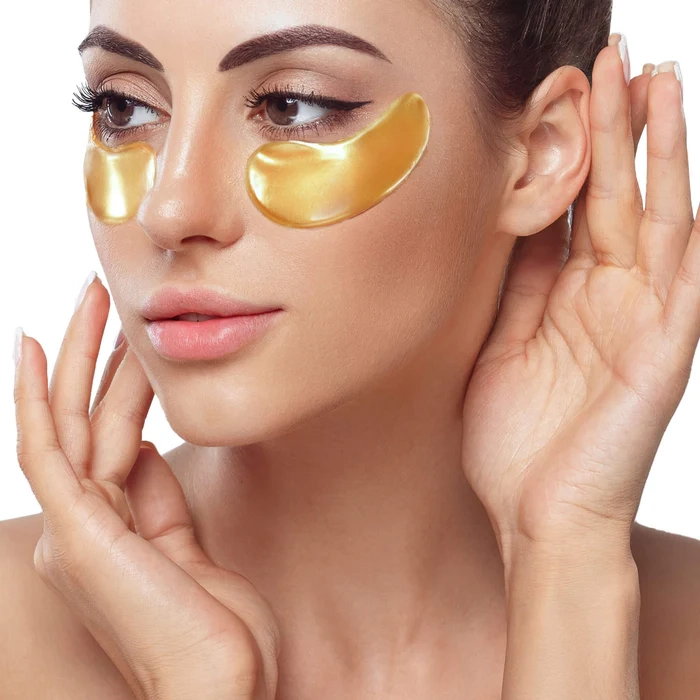
Supply Chain Checklist for Private Label 24k Gold Eye Masks
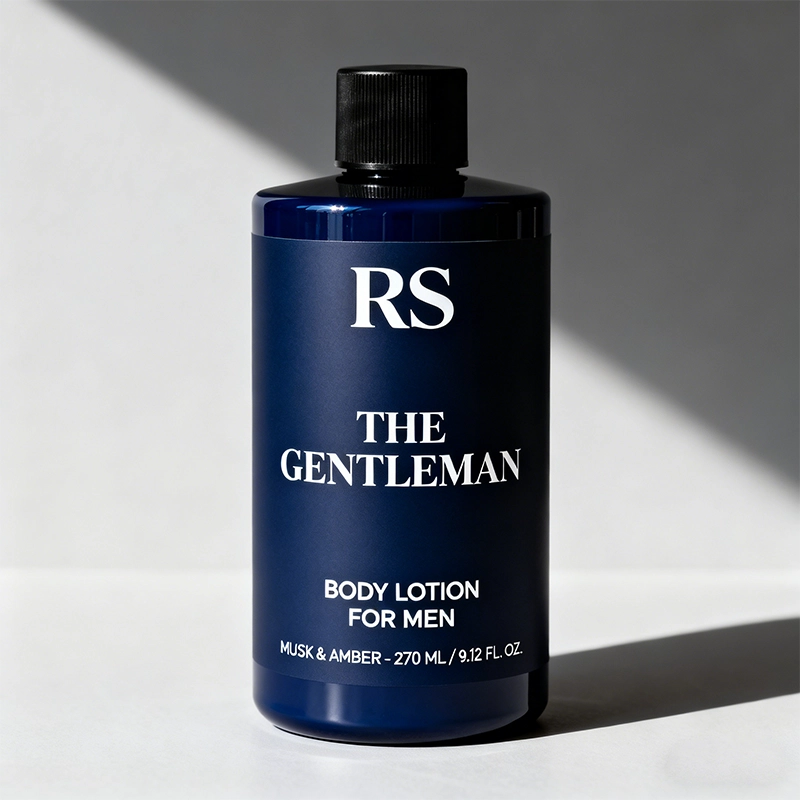
Best Men’s Body Lotions for Sensitive Skin
How to Choose the Best Body Lotion for Men with Dry Skin
Gentle Makeup Remover Routine: Morning and Night Steps
Eye Care
Do you offer branding and marketing support?
Yes, we do. We give marketing videos and photos.
FAQs
Do you settle supply chain management and logistics?
Yes, we have cooperative shipping agents that is able to deliver products worldwide and in different shipping terms like DDP and DDU.
At first, our professional staff will listen to your thoughts on the products or the project. What do you want? What is for? What do you want to achieve? etc. We want to know everything on your mind for this project; only with this will we understand better and make the product you want and make it a success.
Hair Conditioner
What are the different types of conditioning agents you use?
We have difficult formulas; some are using cationic surfactants, some using fatty alcohols, some using silicones, these agents have their own advantages.
Face Moisturizer
Does it align with current trends?
We introduce trending ingredients regularly to help the product stand out.
Face Mist
Is the pH balanced for skin comfort and barrier health?
Yes, it is mild formula with alcohol.

Get more information
If you have any comments or good suggestions, please leave us a message; later our professional staff will contact you as soon as possible.
Rysun Biotechnology--Unremittingly strive for human health and beauty
Contact RYSUN
Email: k.lee@rysunoem.com
WhatsApp: +86 156 0306 9138
Address: No. 62 Nanxiang First Road, Science Town of Guangzhou Developed Zone, Huangpu, Guangzhou, China.
© 2025 RYSUN. All Rights Reserved. Privacy Policy | Terms and Conditions | Sitemap
Facebook
Instagram