



Quality Assurance Tests Buyers Should Require for Vanilla Body Oil
- Quality Assurance Tests Buyers Should Require for Vanilla Body Oil
- Why rigorous QA matters for vanilla body oil and Private Label Vanilla Body Oil
- Key raw-material verification: vanilla oil (vanillin) and carrier oils (Meadowfoam Seed Oil)
- Comparison table: recommended tests for vanilla oil vs. Meadowfoam Seed Oil
- Microbiological and chemical safety testing
- Stability and oxidative testing: ensuring shelf life and scent retention
- Performance testing and substantiating antioxidant/anti-inflammatory claims
- Regulatory compliance, labeling and documentation for Private Label Vanilla Body Oil
- Manufacturing QC and batch release criteria
- Supplier qualification and sustainability considerations
- How to specify QA requirements when ordering Private Label Vanilla Body Oil (practical checklist)
- Brand advantages when QA is prioritized
- FAQ — Frequently Asked Questions
- What tests prove vanilla body oil is an antioxidant or anti-inflammatory?
- How long should the scent of vanilla body oil last?
- Is patch testing required for private-label runs?
- What documentation should I receive with each batch?
- Can the formula be customized and what are the MOQ considerations?
- How do I protect scent integrity during packaging and shipping?
- Can you list a short QA checklist I can include in a purchase order?
- Contact & Purchase
- Authoritative references and source links
Quality Assurance Tests Buyers Should Require for Vanilla Body Oil
Why rigorous QA matters for vanilla body oil and Private Label Vanilla Body Oil
Vanilla body oil is not only a sensorial product but — when formulated to treat vanilla as a bioactive ingredient rather than just a fragrance — a product that makes performance and safety claims. Buyers of Private Label Vanilla Body Oil must demand a rigorous, documented quality assurance (QA) program because the product combines aromatic actives (vanilla oil/vanillin compounds) with carrier oils whose stability determines shelf life and scent longevity. Commercial buyers should specify tests that protect brand reputation, ensure regulatory compliance, and substantiate claims such as antioxidant, anti-inflammatory, and skin-repair benefits.
Product snapshot (for reference):
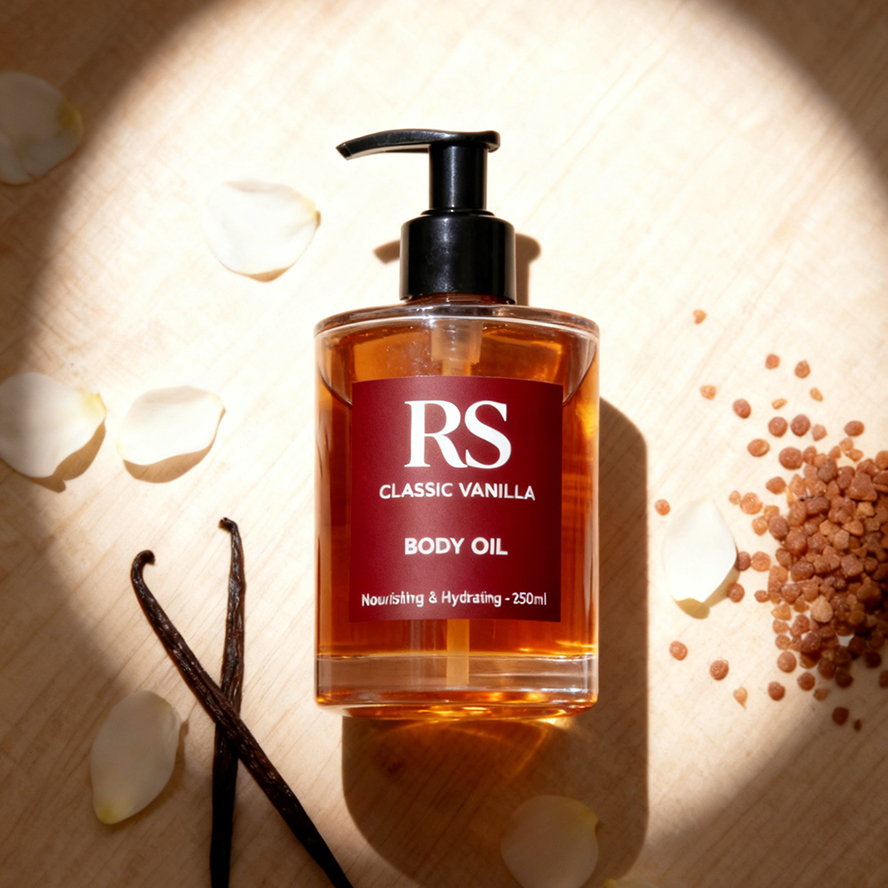
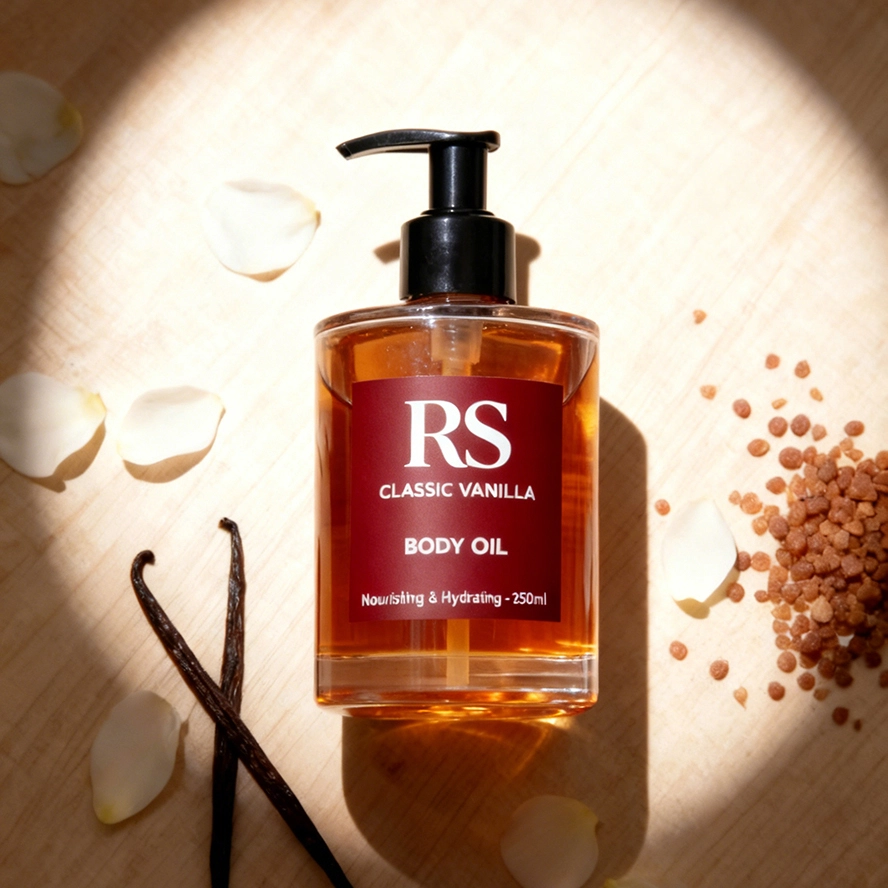
<p>A luxury body treatment that uses Vanilla Oil and high-stability carrier oils. This product treats Vanilla as a bioactive ingredient, not just a perfume, giving a warm complexity of vanilla while delivering structural skin repair.</p>
<p>In the formula, we use vanilla oil as it is a natural antioxidant and anti-inflammatory. And the main carrier oil we use Meadowfoam Seed Oil, is unique because of its incredible oxidative stability. It acts as a natural fixative, locking the volatile vanilla compounds onto the skin so the scent lasts for hours.</p>
<p>This is a luxury body oil that gives you not only Sensory satisfaction but also like a spa treatment.</p>
<p>MOQ for this private label Vanilla Body Oil is 1000 units, custom formulas are available.</p>
Key raw-material verification: vanilla oil (vanillin) and carrier oils (Meadowfoam Seed Oil)
Raw-material identity and purity are the foundation of QA. For vanilla body oil, buyers should require:
- Certificate of Analysis (CoA) for each lot of vanilla oil and carrier oil.
- GC–MS (Gas Chromatography–Mass Spectrometry) chromatogram showing the profile of vanilla constituents (vanillin, vanillyl alcohol, p-hydroxybenzaldehyde, etc.) and absence of unexpected adulterants.
- VOC/Headspace GC to quantify volatiles responsible for scent and to confirm the presence of signature aroma compounds.
- Fatty acid profile, peroxide value (PV), free fatty acids (FFA), and oxidative stability (e.g., Rancimat or OSI) for Meadowfoam Seed Oil and any other carriers.
- Origin and traceability documentation (country of origin, harvest date, lot codes) to manage flavor/aroma variability.
Comparison table: recommended tests for vanilla oil vs. Meadowfoam Seed Oil
| Test / Analysis | Vanilla Oil | Meadowfoam Seed Oil (carrier) |
|---|---|---|
| Identity | GC–MS, organoleptic profile, sensory panel | Fatty acid GC, IR spectroscopy |
| Purity / Adulteration | GC–MS for synthetic vanillin/adulterants, isotopic ratio if needed | CoA (FFA, PV), GC for contaminants |
| Oxidative stability | Headspace GC for volatile loss | Rancimat/OSI, peroxide value over time |
| Contaminants | Pesticide screen, PAHs if relevant | Pesticide screen, heavy metals |
| Batch documentation | CoA, harvest/processing info | CoA, extraction method, storage conditions |
Microbiological and chemical safety testing
Even oil-based products need microbiological controls because water may be present (trace moisture, emulsions or contaminated surfaces). The following tests are standard:
- Total aerobic microbial count and yeast & mold counts (when applicable).
- Pathogen screen: Staphylococcus aureus, Pseudomonas aeruginosa, Candida albicans — especially important if any water phase or botanical extracts are included.
- Preservative efficacy / challenge testing if formula contains water or if the supplier uses water-wetted processes.
- Heavy metals (lead, arsenic, cadmium, mercury) testing to meet regulatory thresholds.
- Pesticides and residual solvents (in extracts) where relevant.
Stability and oxidative testing: ensuring shelf life and scent retention
For a vanilla body oil where scent longevity is part of the proposition, require a stability and scent-retention program that includes:
- Accelerated stability testing (40°C, 3–6 months equivalent) plus real-time stability (ambient, refrigerated, and elevated humidity) with visual, pH (if applicable), and chemical checks.
- Oxidative stability index (Rancimat or equivalent) for carrier oils; peroxide and anisidine values tracked over time.
- Headspace GC-MS or GC-FID at intervals to quantify volatile vanilla constituents and confirm scent lifetime claims.
- Packaging compatibility tests (leachables, sorption of volatile compounds into plastic, loss of scent through closures).
- Organoleptic evaluations with trained panelists to record scent character changes.
Performance testing and substantiating antioxidant/anti-inflammatory claims
Marketing claims such as “natural antioxidant” or “delivers structural skin repair” require scientific substantiation. Recommended evidence tiers:
- In vitro assays for antioxidant activity (DPPH, ABTS, ORAC) on the final formula and on the vanilla oil fraction to show measurable radical-scavenging effect.
- In vitro or ex vivo anti-inflammatory markers (e.g., reduction of pro-inflammatory cytokines in cell-based assays) if making explicit anti-inflammatory claims — these are commonly done in contract labs or university collaborators.
- Human safety and performance testing: patch testing for irritation/sensitization (48/72-hour patch), and small clinical studies to demonstrate objective improvements (TEWL for barrier repair, corneometry for hydration, profilometry for texture if claiming structural repair).
- Consumer-use studies for perceived benefits (scent longevity, skin feel, overall satisfaction) to support marketing statements.
Regulatory compliance, labeling and documentation for Private Label Vanilla Body Oil
Buyers should insist on complete regulatory documentation to avoid market rejections or recalls. Required items include:
- Ingredients listed in INCI format for labeling, with known allergens highlighted per regional requirements.
- Safety data sheet (SDS) for the finished product and primary raw materials.
- Product safety assessment (Cosmetic Product Safety Report in EU markets) or equivalent toxicological safety dossier.
- IFRA compliance statements for fragrance ingredients and adherence to regional restrictions (IFRA standards).
- Evidence of Good Manufacturing Practice (GMP) such as ISO 22716 adherence or equivalent documentation.
- Claims substantiation files linked to any functional or medicinal-sounding claims.
Manufacturing QC and batch release criteria
Define clear release criteria and required documentation for each batch:
- Batch CoA listing identity tests, PV, FFA, microbiological results, and volatile composition for fragrance-active retention.
- Retain sample policy (retain at least one representative sample per batch for the length of shelf life plus a margin).
- In-process controls (temperature logs, mixing times, in-line filtration checks) and final inspection (visual, odor, fill weight).
- Traceability: lot numbers on all materials and finished goods, plus supplier CoAs archived.
Supplier qualification and sustainability considerations
Because vanilla is an agricultural product with variability and sustainability challenges, buyers should require:
- Supplier audit results or third-party certifications covering social and environmental criteria.
- Proof of sustainable sourcing (where applicable), and documentation for any organic or fair-trade claims.
- Seasonal variability plans and contingency suppliers to ensure consistent aroma profile and supply.
How to specify QA requirements when ordering Private Label Vanilla Body Oil (practical checklist)
When placing an order — especially for private-label runs (MOQ: 1000 units) — include a technical appendix that buyers and suppliers sign off on. Minimum items to specify:
- Lot-based CoAs for vanilla oil and Meadowfoam Seed Oil prior to production.
- Required analytical tests and acceptance criteria (listed ranges for PV, key vanilla marker concentrations, microbial limits).
- Required stability program (accelerated + real-time) and reporting timeline.
- Required safety and claims substantiation (patch test report, any clinical data required for claims).
- Packaging compatibility testing and artwork/label approvals.
- MOQ (1000 units) and turn-around expectations for custom formulas including timelines for prototype and regulatory testing.
Brand advantages when QA is prioritized
Brands that require comprehensive QA for their Private Label Vanilla Body Oil protect consumers and strengthen marketplace trust. Prioritizing QA delivers:
- Consistent product performance (scent longevity, stability) and fewer complaints.
- Lower regulatory risk and smoother market access across regions.
- Stronger marketing claims backed by data — enabling High Quality pricing for demonstrable benefits like antioxidant action and improved skin feel.
- Supplier accountability, reducing supply interruption and quality drift across seasons.
FAQ — Frequently Asked Questions
What tests prove vanilla body oil is an antioxidant or anti-inflammatory?
Start with in vitro antioxidant assays (DPPH, ORAC) on both the vanilla oil and the finished formula. For anti-inflammatory claims, cell-based assays measuring cytokine reduction are typical. To make consumer-facing claims, supplement in vitro data with small clinical studies or validated instrumental measurements (e.g., decreased TEWL, improved hydration).
How long should the scent of vanilla body oil last?
Scent longevity depends on vanilla concentration, carrier oil stability, and packaging. Headspace GC and organoleptic panels can quantify scent loss; Meadowfoam Seed Oil’s high oxidative stability can significantly improve scent retention — validated by headspace GC at timepoints during stability testing.
Is patch testing required for private-label runs?
Yes — at minimum a 48/72-hour human repeat insult patch test or equivalent irritation/sensitization assessment should be completed for each formula. This is a standard safety prerequisite before large-scale production.
What documentation should I receive with each batch?
CoA for raw materials and finished product, SDS, batch production record, microbial results, and a signed declaration of GMP compliance. For claim-driven products, include study reports and certificates of analysis for key functional tests.
Can the formula be customized and what are the MOQ considerations?
Yes — custom formulas are available. MOQ for Private Label Vanilla Body Oil is 1000 units; bespoke formulations may add development time for stability and claims testing, so plan extra lead time for testing and regulatory review.
How do I protect scent integrity during packaging and shipping?
Use barrier-compatible packaging (glass or high-barrier PET), ensure tight closures to reduce volatile loss, and require packaging compatibility testing from your supplier. Also specify storage conditions and handling instructions in the purchase order.
Can you list a short QA checklist I can include in a purchase order?
Yes — include: lot CoAs for key raw materials; GC–MS for vanilla oil; PV/FFA and Rancimat for Meadowfoam; microbial limits and challenge test outcome; patch test report; stability protocol (accelerated + real-time); packaging compatibility results; and batch retention policy. Also state MOQ 1000 units and whether custom formula options are requested.
Contact & Purchase
Test results directly support market readiness, especially when addressing labelling, claims and compliance for vanilla body oil retailers.If you’re ready to source Private Label Vanilla Body Oil (MOQ 1000 units) or want a custom formula and full QA package, contact our sales team to request CoAs, stability data, and pricing. For product samples and technical dossiers, please contact customer service or view the product page.
Authoritative references and source links
- Vanilla — Wikipedia: https://en.wikipedia.org/wiki/Vanilla
- Vanillin (PubChem): https://pubchem.ncbi.nlm.nih.gov/compound/Vanillin
- Limnanthes alba (Meadowfoam) — Wikipedia: https://en.wikipedia.org/wiki/Limnanthes_alba
- U.S. Food and Drug Administration (Cosmetics laws & regulations): https://www.fda.gov/cosmetics/cosmetics-laws-regulations
- ISO 22716:2007 — Cosmetics — Good Manufacturing Practices (overview): https://www.iso.org/standard/36437.
- International Fragrance Association (IFRA): https://ifrafragrance.org/
Packaging and Branding Tips for Private Label Eye Mask Lines
Private Label Vanilla Body Oil: Sourcing Guide for Retailers
Can Private Label Salicylic Acid Face Wash Help with Blackheads?
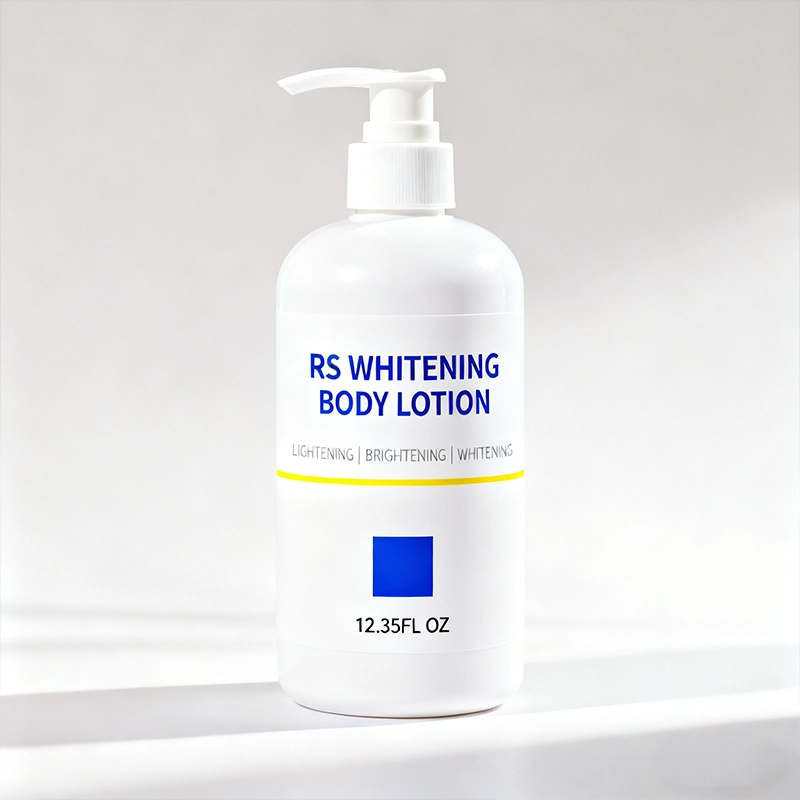
Best Body Lotions for Glowing Skin for Retailers & Brands
Facial Mask
What is your lead time for the bulk production?
Usually we need 35 days to finish the bulk production after design confirm.
Face Mist
Is a face mist a common product?
Honestly, it is not, the searching is much less than other skincare products, but it is very good for skin moisturizing when you are outside.
Body Scrub
Can you manufacture Whipped Body Polishes?
Yes that is no problem.
Makeup Remover
Can I just use my regular face wash to remove makeup?
No, face wash is just for daily face cleansing; it can't remove your makeup thoroughly, even for light makeup. Please use a makeup remover.
Face Toner
Can you formulate a custom toner for our brand?
Yes, we customize the skin toner under your brand image, target audiences and requirements.

Get more information
If you have any comments or good suggestions, please leave us a message; later our professional staff will contact you as soon as possible.
Rysun Biotechnology--Unremittingly strive for human health and beauty
Contact RYSUN
Email: k.lee@rysunoem.com
WhatsApp: +86 156 0306 9138
Address: No. 62 Nanxiang First Road, Science Town of Guangzhou Developed Zone, Huangpu, Guangzhou, China.
© 2025 RYSUN. All Rights Reserved. Privacy Policy | Terms and Conditions | Sitemap
Facebook
Instagram