



Packaging Tips to Elevate Your Private Label Vanilla Body Oil
- Preserving Vanilla as a Bioactive Ingredient: Materials and Barrier Strategies
- Why packaging must protect vanilla beyond fragrance
- Material choices: glass, metal, and high-barrier polymers
- Closures, liners, and secondary barriers
- Designing a Luxury Sensory Experience: Visuals, Tactile Cues, and Scent Longevity
- Labeling and storytelling that emphasize bioactivity
- Tactile finishes, closures, and applicators that communicate quality
- Packaging that enhances scent longevity
- Compliance, Quality Assurance, and Supply Chain Practicalities
- Regulatory frameworks and GMP you must follow
- Stability testing and shelf-life protocols
- MOQ, supply chain, and logistics considerations
- Sustainability, Consumer Expectations, and Market Differentiation
- Design for circularity without compromising protection
- Transparency and certifications that build trust
- Practical packaging comparison
- Testing, Launch, and Iteration: From Samples to Shelf
- Consumer and lab testing prior to production
- Packaging for retail vs. DTC channels
- Iterate based on data and feedback
- FAQ — Private Label Vanilla Body Oil Packaging
- Q: What packaging is best to preserve vanilla scent and efficacy?
- Q: How long will the Private Label Vanilla Body Oil maintain its scent and activity?
- Q: Can I market this as the best vanilla body oil?
- Q: Are sustainable or refill options feasible with this product?
- Q: What is the MOQ and can I customize formula and packaging?
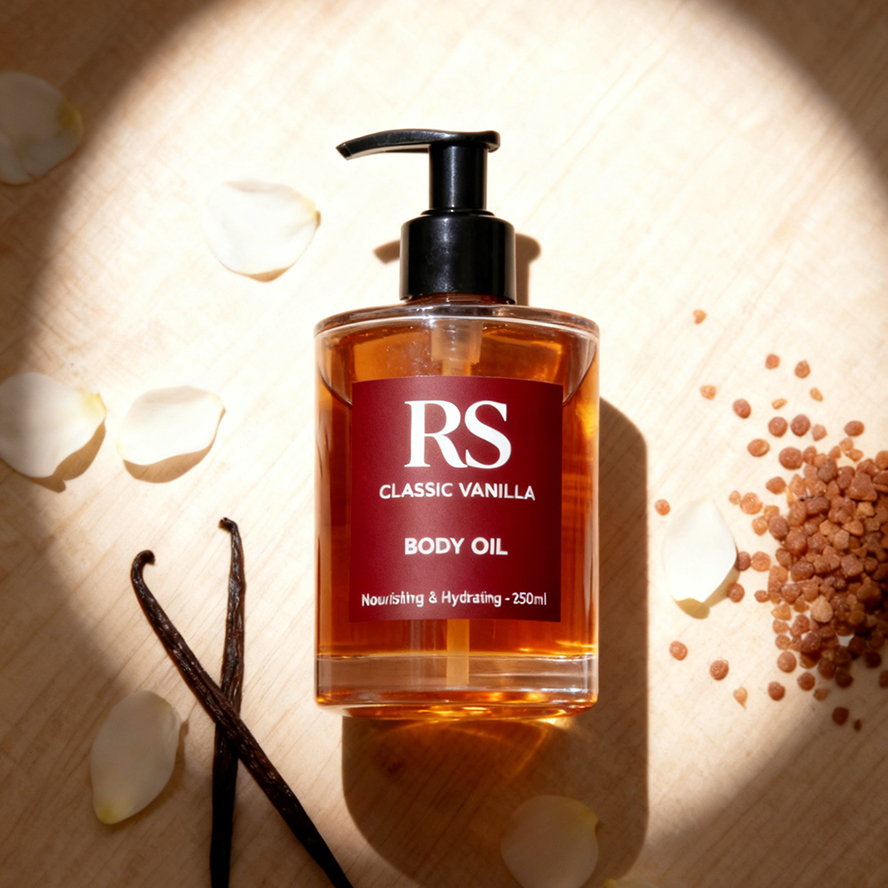
For brands launching Private Label Vanilla Body Oil and targeting local and international markets, packaging must balance aroma retention, oxidative stability, regulatory compliance, and sustainable messaging to rank well in local search results and meet consumer expectations. This guide covers materials, barrier technology, labeling, QA, and go-to-market considerations that influence discoverability and conversion for the best vanilla body oil offerings across regions.
Preserving Vanilla as a Bioactive Ingredient: Materials and Barrier Strategies
Why packaging must protect vanilla beyond fragrance
Private Label Vanilla Body Oil treats vanilla as a bioactive ingredient—not just a perfume—so packaging needs to preserve not only scent but antioxidant and anti-inflammatory activity. Vanilla compounds (like vanillin) are volatile and can oxidize or evaporate when exposed to light, heat, oxygen, or reactive plastics. Choosing the right container and closure directly impacts product stability, shelf life, and consumer perception of the best vanilla body oil.
Material choices: glass, metal, and high-barrier polymers
Amber or dark-tinted glass bottles remain the gold standard for volatile, antioxidant-rich oils because glass is inert and provides excellent barrier properties against oxygen and permeation. Aluminum with appropriate liners also offers superior UV protection and light weight for travel-friendly SKUs. High-barrier polymers (specific grades of PET or multilayer laminates) can be cost-effective and lightweight but must be selected based on compatibility with essential/vanilla oils; some polymers can absorb oil or leach plasticizers over time.
Closures, liners, and secondary barriers
Closures with inert liners (PTFE, butyl, or specialized cosmetic liners) prevent volatile loss and interaction between vanilla compounds and metallic closure materials. Consider tamper-evident seals, inner seals, and dripless pumps or orifice reducers to limit oxidation through repeated air exchange. For stick-and-drop formulas, roll-on applicators should be tested for long-term extractables.
Designing a Luxury Sensory Experience: Visuals, Tactile Cues, and Scent Longevity
Labeling and storytelling that emphasize bioactivity
Position Private Label Vanilla Body Oil as a luxury treatment by highlighting botanical sourcing, antioxidant properties, and the use of Meadowfoam Seed Oil for oxidative stability. Use concise claims framed as benefits—e.g., Vanilla as an active antioxidant or Meadowfoam Seed Oil for extended scent fixation—and be sure these claims are substantiated by your formulation testing to meet regulatory expectations (see regulatory section below).
Tactile finishes, closures, and applicators that communicate quality
Luxury perception is driven by touch: heavy glass, frosted finishes, soft-touch labels, or metal collars convey High Quality. Applicators matter for ritual: a dropper offers precise dosing and a spa-like ritual; a pump with a metered dose can be perceived as modern and hygienic. Consider offering a deluxe edition with a brushed-metal pump and refill pouch for sustainability-minded consumers.
Packaging that enhances scent longevity
Vanilla in this formula benefits from the unique fixative properties of Meadowfoam Seed Oil, which helps lock volatile aromatics onto skin. Packaging can amplify this by: reducing headspace in the bottle, using low-permeation materials, and employing closures that minimize air exchange. Secondary packaging (e.g., inner liners, foil seals) further protects volatile compounds during distribution.
Compliance, Quality Assurance, and Supply Chain Practicalities
Regulatory frameworks and GMP you must follow
When marketing Private Label Vanilla Body Oil with functional claims (antioxidant, anti-inflammatory), align labeling and marketing with regional regulations. For U.S. markets, consult the FDA's cosmetics guidance (FDA - Cosmetics) for allowable claims and requirements. For manufacturing and quality, follow ISO 22716 Good Manufacturing Practices for cosmetics (ISO 22716) to control packaging contamination and ensure batch traceability.
Stability testing and shelf-life protocols
Perform accelerated and real-time stability testing of the final product in its intended package. Tests should include: aroma retention (GC headspace analysis), peroxide value/oxidative stability of the oil phase, visual changes, and microbial testing if water-containing secondary products exist. Peer-reviewed research on vanillin and related compounds can guide expected antioxidant behavior; for example, studies on vanillin's antioxidant properties are summarized in the scientific literature (PubMed).
MOQ, supply chain, and logistics considerations
MOQ for this Private Label Vanilla Body Oil is 1000 units; coordinate packaging procurement timelines with formula finalization. Factor in lead times for custom molds (bottles, pumps), labeling runs, and any secondary packaging. For global distribution, ensure materials meet import country regulations (e.g., EU cosmetics regulation) and be prepared to provide technical documentation and certificates of conformity when required. Commodity volatility for packaging (glass, aluminum) can impact cost and lead time—plan rollouts accordingly.
Sustainability, Consumer Expectations, and Market Differentiation
Design for circularity without compromising protection
Consumers seeking the best vanilla body oil increasingly expect sustainable packaging. Choose refillable formats (pumps + refill pouches), mono-material solutions for recyclability, or lightweight glass to minimize transportation emissions. Meadowfoam Seed Oil's stability enables smaller preservative loads and longer-lasting scent, which can be marketed as reducing waste from partially used products.
Transparency and certifications that build trust
Display clear recycling instructions and consider certifications (e.g., FSC for paperboard, recyclability labels). When making ecological claims, ensure they are verifiable and avoid greenwashing. Resources such as Cosmetics Europe and official regulatory guidance can help you craft compliant environmental claims (European Commission - Cosmetics).
Practical packaging comparison
Use the table below to weigh options quickly when selecting containers for your Private Label Vanilla Body Oil.
| Material | Barrier to O2/UV | Compatibility with vanilla & carrier oils | Recyclability / Sustainability | Typical Cost |
|---|---|---|---|---|
| Amber Glass | Excellent (UV protection when tinted) | Very good (inert) | Highly recyclable; heavier transport footprint | Medium–High |
| Aluminum (lined) | Excellent (opaque) | Good if liner compatible; choose non-reactive liners | Lightweight; widely recyclable if properly separated | Medium |
| High-barrier PET / Multilayer | Good (varies by grade) | Good when tested for extractables | Recyclable in some streams; multilayer can complicate recycling | Low–Medium |
| HDPE (opaque) | Fair | Acceptable for some oils; test for absorption/odor retention | Recyclable; lower weight | Low |
Testing, Launch, and Iteration: From Samples to Shelf
Consumer and lab testing prior to production
Run small batch pilot packaging to collect data on scent preservation, consumer perception, and physical durability. Combine sensory panels with instrumental analysis (headspace GC-MS for volatile retention) to validate that your Private Label Vanilla Body Oil delivers both spa-like sensory satisfaction and measurable skin benefits.
Packaging for retail vs. DTC channels
Retail packaging needs to stand out on-shelf: consider secondary boxes with scent windows or tactile elements. For DTC, optimize unboxing experiences and include sustainability cues (recycled mailer, refill options) while minimizing excess packaging to reduce shipping costs and returns.
Iterate based on data and feedback
Post-launch, monitor returns, customer reviews, and stability complaints. If you see scent fade or changes in color/texture, revisit headspace and oxidative control strategies and consult with your contract manufacturer for corrective packaging measures.
FAQ — Private Label Vanilla Body Oil Packaging
Q: What packaging is best to preserve vanilla scent and efficacy?
A: Amber glass or lined aluminum bottles combined with inert closures are ideal for preserving volatile vanilla compounds and protecting antioxidant activity. Minimize headspace and use pump or dropper closures with low air exchange.
Q: How long will the Private Label Vanilla Body Oil maintain its scent and activity?
A: With appropriate packaging and storage (cool, dark conditions) and the use of Meadowfoam Seed Oil for oxidative stability, expect an optimized shelf life determined via stability testing—commonly 18–36 months depending on formulation and packaging. Perform accelerated stability testing and real-time studies to set your expiration date.
Q: Can I market this as the best vanilla body oil?
A: You can use comparative or superlative language only if substantiated. Instead of unqualified claims, highlight verifiable differentiators: formulation with natural vanilla as an antioxidant, Meadowfoam Seed Oil for oxidative stability, third-party testing results, or consumer testing outcomes. Ensure claims comply with regional regulations (see FDA and ISO guidance).
Q: Are sustainable or refill options feasible with this product?
A: Yes. Refillable pumps paired with bulk refill pouches reduce single-use packaging. Choose mono-materials where possible to improve recyclability and communicate lifecycle benefits transparently.
Q: What is the MOQ and can I customize formula and packaging?
A: MOQ for Private Label Vanilla Body Oil is 1000 units. Custom formulas and bespoke packaging options are available—coordinate timelines for mold and label production early in the development phase.
If you want to explore packaging options, request samples, or discuss a custom Private Label Vanilla Body Oil launch, contact our sales team or visit the product page to view product details. For regulatory and formulation support, we can provide documentation and testing protocols aligned with ISO 22716 and regional authorities like the U.S. FDA.
References: scientific and regulatory resources that informed this guide include a review of vanillin's antioxidant properties (PubMed), information about Meadowfoam (Limnanthes alba) seed oil properties (Wikipedia), ISO 22716 Good Manufacturing Practices (ISO), and official cosmetics guidance from the FDA and European Commission (EU Cosmetics).
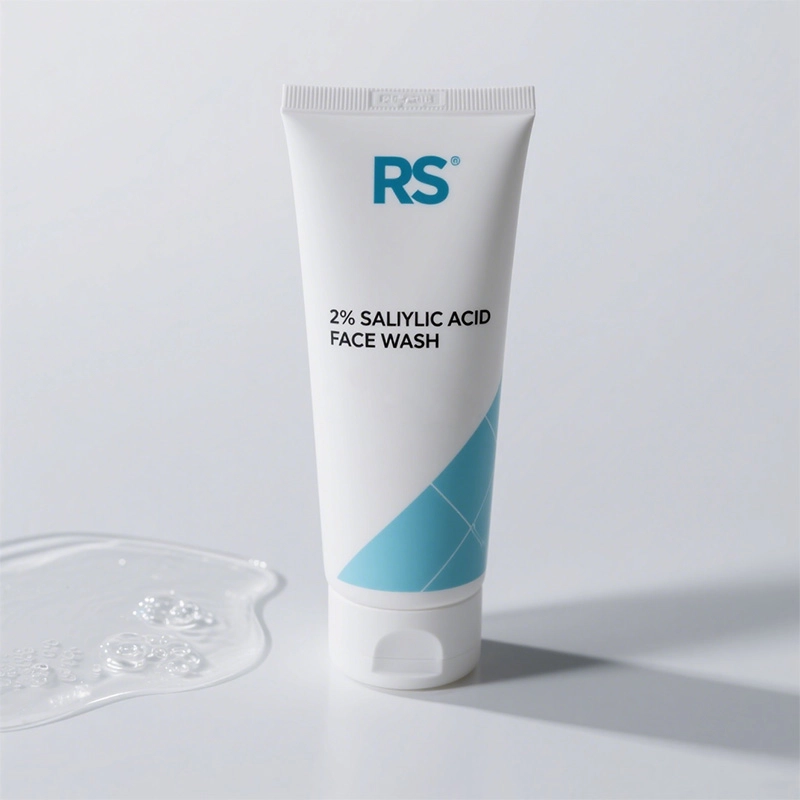
How Often to Use Private Label Salicylic Acid Face Wash
Fragrance-Free Gentle Makeup Removers Worth Trying
Best K-Beauty Face Washes to Try Now
Best Toner for Face for Sensitive Skin: Alcohol-Free Options
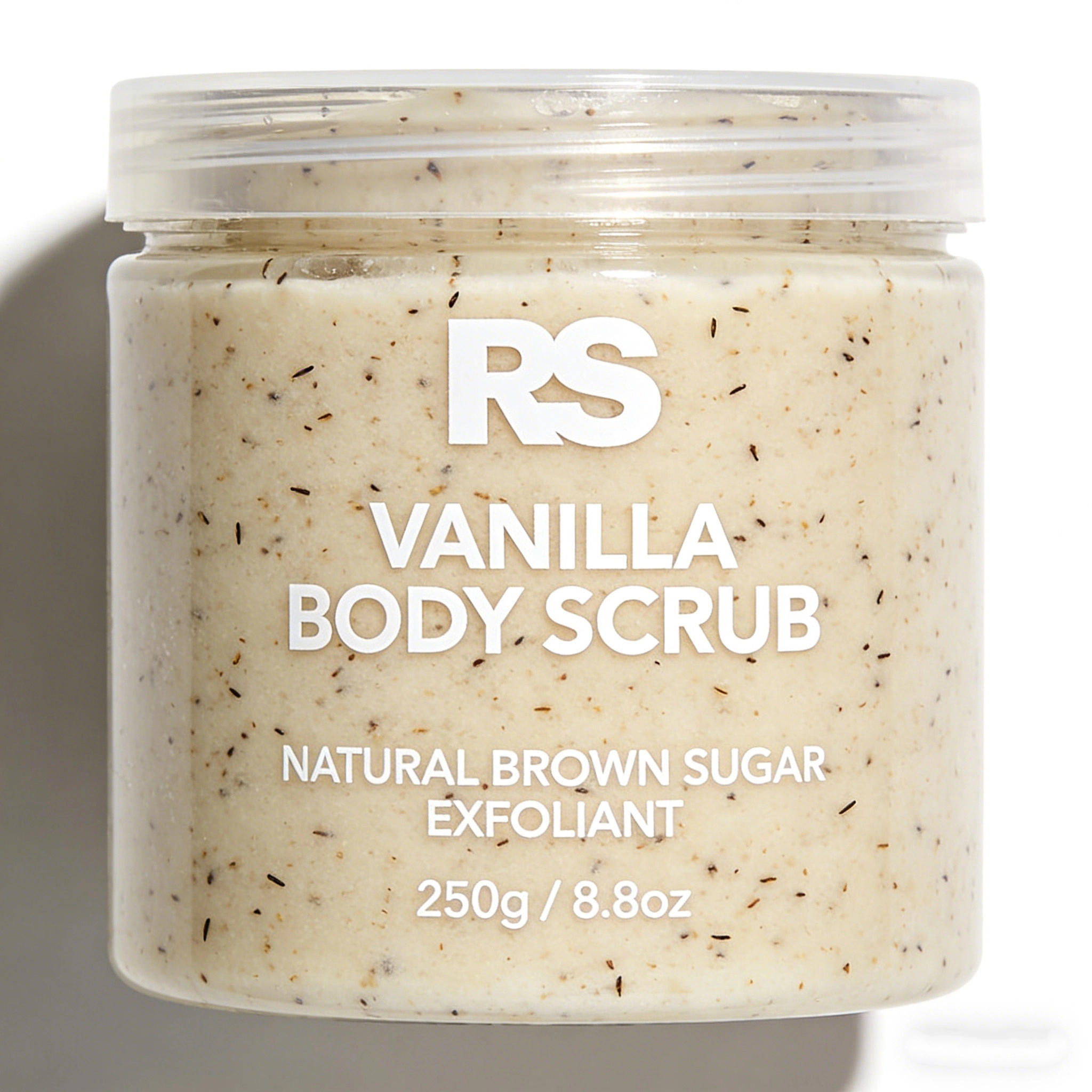
Body Scrub
How do you prevent the sugar from dissolving in the oil base over time?
The formula is stable while in the testing stage.
Eye Care
Can you provide samples, and what is the timeline for them?
Yes, we provide customized formula, usual we need around 5 days to prepare the samples.
Hair Oil
What is the lead time for the whole order?
Usually it needs around 25 to 30 days for us to hand over the products after design is completed.
What is the MOQ for hair oil?
Usually we will ask for 1,000 units.
Face Serum
What are your MOQ for face serums?
Usually we ask for 1000 units.
Get more information
If you have any comments or good suggestions, please leave us a message; later our professional staff will contact you as soon as possible.
Rysun Biotechnology--Unremittingly strive for human health and beauty
Contact RYSUN
Email: k.lee@rysunoem.com
WhatsApp: +86 156 0306 9138
Address: No. 62 Nanxiang First Road, Science Town of Guangzhou Developed Zone, Huangpu, Guangzhou, China.
© 2025 RYSUN. All Rights Reserved. Privacy Policy | Terms and Conditions | Sitemap
Facebook
Instagram