

Pricing Strategy Guide for Private Label Argan Oil (B2B Buyers)
- Pricing Strategy Guide for Private Label Argan Oil (B2B Buyers)
- What this guide covers and why Private Label Argan Oil matters to B2B buyers
- Understand the primary : pricing to sell the 'best hair oil for fine hair'
- Step 1 — Break down all cost components for Private Label Argan Oil
- Why cold-pressed argan and packaging choices change costs
- Step 2 — Select a pricing model suitable for B2B channels
- Sample pricing scenarios (using example costs)
- Step 3 — Factor channel economics and recommended margins
- Example margin math (value-based High Quality scenario)
- Step 4 — Positioning: how pricing supports the claim 'best hair oil for fine hair'
- Step 5 — MOQ, minimums, and how to use them to negotiate better pricing
- Typical tier example
- Step 6 — Regulatory, labelling, and claims that affect cost (and price)
- Step 7 — Promotional pricing, MAP, and protecting brand value
- Brand advantages to highlight when selling Private Label Argan Oil
- Practical checklist for launching pricing to B2B buyers
- FAQ — Common questions B2B buyers ask about Private Label Argan Oil pricing
- Q: What is the typical MOQ and can it be reduced?
- Q: How does cold-pressed sourcing impact price?
- Q: Can you support certified claims (organic, COSMOS)?
- Q: What are recommended wholesale and retail price ranges?
- Q: Do you offer marketing or launch support?
- Next steps and contact — sample orders, quotes and private label options
- Authoritative references and further reading
- Contact / View product

Pricing Strategy Guide for Private Label Argan Oil (B2B Buyers)
What this guide covers and why Private Label Argan Oil matters to B2B buyers
Private Label Argan Oil is increasingly sought after by salons, retailers, and indie brands looking to offer natural, high-performance haircare. A cold-pressed argan oil offers a truly natural, lightweight, and effective solution for hair health.
The key to our formula is the cold-pressing Argan Oil, which is crucial as it preserves the oil's natural characteristics and high concentration of beneficial nutrients that effectively smooths the hair cuticle, taming frizz and flyaways, providing deep moisture without a greasy feel. This results in hair that is softer and has a natural, long-lasting shine.
In the formula, we also add Vitamin E to prevent the argan oil from oxidizing. A true mate to your healthier hair.
MOQ for this private label argan oil is 1000 units.
Understand the primary : pricing to sell the 'best hair oil for fine hair'
When your target claim is to be perceived as the best hair oil for fine hair, pricing must reflect both product positioning and target channel. Fine hair buyers seek lightweight oils that add shine without weighing hair down. Price too low and customers distrust quality; price too high and mass channels resist ordering against established brands. Your pricing strategy must balance perceived High Quality (ingredient and cold-pressing claims) with realistic wholesale margins for retailers and salons.
Step 1 — Break down all cost components for Private Label Argan Oil
Accurate costing is the foundation. Include direct and indirect costs so your price supports target margins:
- Raw materials: cold-pressed argan oil, Vitamin E, preservatives (if any), bottles, caps, labels, boxes.
- Manufacturing: blending, filling, QC, batch testing, contract manufacturer fees.
- Packing & fulfillment: inner/outer packaging, palletizing, warehousing.
- Logistics: inbound ingredient freight, finished-goods shipping (domestic/export), duties and insurance.
- Regulatory & testing: stability, microbial testing, labelling compliance (FDA/EU), COSMOS/organic audits if claimed.
- Sales & marketing costs attributable to the batch: imagery, sample programs, promotions, trade shows.
- Overheads & amortized set-up costs: mold/print setup, artwork, formula development, minimum order tooling.
Example cost breakdown (per unit) — use these as a template to replace with your supplier figures:
| Cost Item | Example Cost (USD per unit) | Notes |
|---|---|---|
| Cold-pressed argan oil (bulk) | $3.00 | Quality grade impacts price significantly |
| Vitamin E and formula additives | $0.30 | Antioxidant to extend shelf life |
| Bottle, cap, label, carton | $1.20 | Higher cost for airless or glass High Quality packaging |
| Manufacturing & QC | $0.50 | Filling, testing, batch traceability |
| Logistics & warehousing | $0.40 | Depends on origin and shipping terms |
| Regulatory & testing amortized | $0.15 | Stability and microbial testing per SKU |
| Marketing & samples | $0.25 | Promos, retailer onboarding |
| Total estimated cost (ex-factory) | $5.80 | Use as baseline; update with your quotes |
Why cold-pressed argan and packaging choices change costs
Cold-pressed argan oil is more expensive but supports High Quality claims (non-heated extraction preserves nutrients like tocopherols and essential fatty acids). Choosing glass bottles, UV-resistant packaging, or dropper caps increases unit cost but enhances perceived value for 'best hair oil for fine hair' positioning.
Step 2 — Select a pricing model suitable for B2B channels
Common B2B pricing models include:
- Cost-plus pricing: Add a fixed markup to your total unit cost (e.g., cost + 40%). Easy to calculate but ignores competitive positioning.
- Target-margin pricing: Set a wholesale price that yields a specific gross margin after channel discounts. Useful when you know target retailer margins.
- Value-based pricing: Price based on perceived customer value and market comparables for High Quality oils claiming to be the best hair oil for fine hair. Requires market research.
- Tiered pricing: Offer volume discounts by order size or contract length — typical for MOQ-sensitive manufacturing.
For private label with MOQ 1000, combine target-margin and tiered pricing: set a base wholesale price with discount bands at 2k, 5k+ units to reward larger orders.
Sample pricing scenarios (using example costs)
| Scenario | Unit Cost (USD) | Wholesale Price | Distributor/Retail Markup | Estimated Retail Price |
|---|---|---|---|---|
| Conservative (Cost-plus 40%) | $5.80 | $8.12 | Retail markup 2.5x | $20.30 |
| Value-based High Quality | $5.80 | $11.00 | Retail markup 2.5x | $27.50 |
| Volume Discount (5k units) | $5.20 (lowered by economies) | $7.80 | Retail markup 2.2x | $17.16 |
Step 3 — Factor channel economics and recommended margins
Different channels expect different margins. Typical ranges:
- Distributors/wholesalers: 15–30% margin.
- Retailers (brick & mortar): 40–60% markup on wholesale price.
- Online marketplaces: 35–50% (account for fees and returns).
- Salons & professional channels: smaller volume but higher per-unit willingness to pay; often 40–60% markup.
To make your product attractive, ensure a trade margin that leaves retailers competitive on shelf while preserving your target gross margin (aim for 30–45% gross margin at the manufacturer level for sustainable business).
Example margin math (value-based High Quality scenario)
If wholesale = $11.00, a retailer applying 2.5x markup sets retail ≈ $27.50. With unit cost $5.80, your gross margin at wholesale is (11 - 5.8)/11 = 47.3%.
Step 4 — Positioning: how pricing supports the claim 'best hair oil for fine hair'
Positioning and pricing must align. To be perceived as the best for fine hair:
- Highlight specific benefits for fine hair (lightweight, non-greasy, absorbs quickly, adds shine without weight).
- Use packaging cues (e.g., clear dosage dropper, lightweight bottle) and testing claims (clinically or consumer-tested for fine hair).
- Price at a level matching the perceived High Quality. If your product has certified cold-pressed sourcing, include traceability information and batch certificates to justify higher price points.
Step 5 — MOQ, minimums, and how to use them to negotiate better pricing
Your product's MOQ is 1000 units. MOQs affect unit cost: higher runs reduce per-unit fixed costs (artwork setup, testing). Strategies:
- Offer a standard MOQ of 1000 with clear price breaks for 2000, 5000+ units.
- Use limited-time introductory pricing or co-op marketing allowances to help new B2B customers trial the SKU.
- For smaller buyers, offer starter kits or pre-packed bundles while keeping MOQ for custom-labeled production.
Typical tier example
| Order Size | Unit Price (USD) | Notes |
|---|---|---|
| 1000 (MOQ) | $11.00 | Base label setup included |
| 2000 | $10.00 | Economies on packaging |
| 5000+ | $8.50 | Best unit economics |
Step 6 — Regulatory, labelling, and claims that affect cost (and price)
Claims such as cold-pressed, organic, or best hair oil for fine hair may require supporting documentation or specific regulatory wording depending on market (e.g., FDA in the U.S., EU Cosmetics Regulation in Europe). Budget for the necessary tests and documentation. Non-compliance risks returns and reputational damage—both costly.
Step 7 — Promotional pricing, MAP, and protecting brand value
Map (Minimum Advertised Price) policies help protect perceived brand value and prevent harmful price wars. For B2B buyers, offer promotional allowances rather than permanent discounts. Plan for seasonal promotions and bundle offers (e.g., shampoo + argan oil travel size) that allow discounting without eroding unit price.
Brand advantages to highlight when selling Private Label Argan Oil
When selling the product and setting price, emphasize unique selling points that validate price:
- Cold-pressed extraction preserving efficacy and sensory profile.
- Lightweight formula and Vitamin E for stability—beneficial for fine hair users who need moisture without weight.
- Manufacturing standards (GMP), batch testing, and traceability from source to bottle.
- Flexible private-label services: artwork assistance, tiered MOQ, and co-marketing support for retailers.
Practical checklist for launching pricing to B2B buyers
Before you set your published wholesale price:
- Collect verified supplier quotes for all cost items.
- Decide on initial channel mix (salon, indie retail, ecommerce).
- Set target manufacturer margin and model (cost-plus, value-based).
- Establish price tiers and MAP rules.
- Prepare regulatory documentation and product claims dossier.
- Plan sample packs and support materials for buyers (sell sheets, claim substantiation).
FAQ — Common questions B2B buyers ask about Private Label Argan Oil pricing
Q: What is the typical MOQ and can it be reduced?
A: Our MOQ for this Private Label Argan Oil is 1000 units. MOQ reductions depend on packaging, label reuse, and project specifics; smaller trial packs may be available as non-customized products or through co-packing agreements at a higher per-unit cost.
Q: How does cold-pressed sourcing impact price?
A: Cold-pressed argan oil costs more due to extraction methods and quality control but supports High Quality claims. It also improves shelf stability and sensory performance for fine hair—allowing you to command higher retail prices.
Q: Can you support certified claims (organic, COSMOS)?
A: Certification is possible but raises costs and lead time due to audits and documentation. We can provide guidance and work with certifiers; budget for certification when planning your pricing.
Q: What are recommended wholesale and retail price ranges?
A: Using example cost assumptions, wholesale typically ranges $8–$12 per unit for a 50ml–100ml High Quality argan oil, with estimated retail $20–$30 depending on positioning and channel. Use your actual costs and target margins to finalize.
Q: Do you offer marketing or launch support?
A: Yes. We provide shelf-ready imagery, product descriptions optimized for SEO (including claims like best hair oil for fine hair when substantiated), and sample kits for retail buyers. Marketing support can be included in negotiated terms at larger orders.
Next steps and contact — sample orders, quotes and private label options
If you're ready to evaluate exact unit costs and receive a tailored quote for your label, MOQ 1000 units applies. Contact our B2B sales team for a fast quote, lead time estimate, and sample request so you can validate scent, viscosity, and performance on fine hair.
Contact us to get a custom quote, request samples, or view product sheets for Private Label Argan Oil.
Authoritative references and further reading
- Argan oil — Wikipedia
- PubMed search results for Argan oil studies
- U.S. Food and Drug Administration — Cosmetics
- European Commission — Scientific Committees on Consumer Safety (cosmetics guidance)
Contact / View product
Ready to move forward? Email our B2B team at sales@example.com or request a quote through our wholesale portal. Ask for Private Label Argan Oil (MOQ 1000 units) and include intended channels (retail, salon, ecommerce) so we can provide optimized pricing tiers and marketing support.

Sourcing Private Label Argan Oil as Best Hair Oil for Fine Hair
How to Remove Heavy Makeup Gently for Sensitive EyesBest Face Wash 2025: Top Cleansers Reviewed
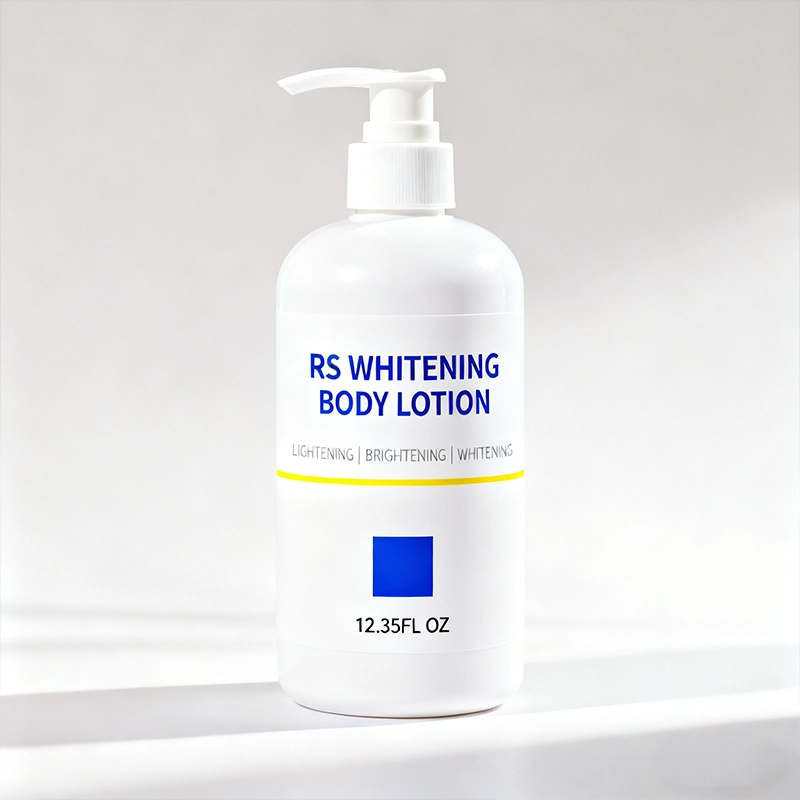
Best Private Label Whitening Body Lotions for Sensitive Skin
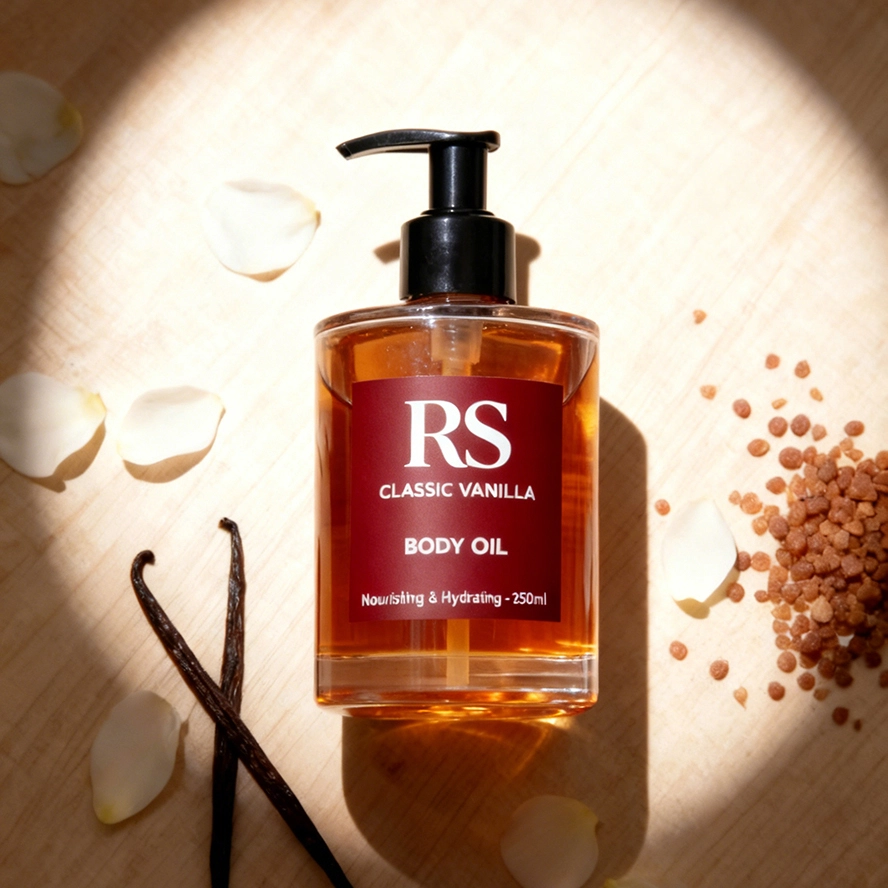
Sustainable Sourcing Strategies for Vanilla Body Oil at Scale
Face Serum
What types of formulation services do you offer?
We 100% customize the face serum.
Hair Shampoo
Do you offer base formulas for specific hair types and concerns?
Yes, this is one of the advantages we're good at.
Face Mist
Is a face mist a common product?
Honestly, it is not, the searching is much less than other skincare products, but it is very good for skin moisturizing when you are outside.
Can it be used over makeup without smudging?
Yes, it can.
Face Wash
Can you develop a face wash that aligns with current market trends?
Yes, we have regular research on the new ingredients and keyword data.

Get more information
If you have any comments or good suggestions, please leave us a message; later our professional staff will contact you as soon as possible.
Rysun Biotechnology--Unremittingly strive for human health and beauty
Contact RYSUN
Email: k.lee@rysunoem.com
WhatsApp: +86 156 0306 9138
Address: No. 62 Nanxiang First Road, Science Town of Guangzhou Developed Zone, Huangpu, Guangzhou, China.
© 2025 RYSUN. All Rights Reserved. Privacy Policy | Terms and Conditions | Sitemap
Facebook
Instagram