


Packaging & Labeling Guide for Private Label Body Lotions
- Packaging fundamentals for private label lotions
- Choosing the right container: function and brand fit
- Dispensing systems and consumer experience
- Labeling: regulatory requirements and claim strategy
- Mandatory elements and compliance
- Claims, substantiation, and avoiding regulatory pitfalls
- Artwork, dielines and practical label design
- Design that converts and complies
- Dielines, label materials and print specs
- Sustainability, logistics and retail readiness
- Eco-friendly packaging strategies
- Supply chain, MOQ and fulfillment considerations
- Packaging & Label Checklist
- Formulation-specific considerations for whitening/brightening lotions
- Compatibility of packaging with actives
- Labeling the active ingredients and consumer education
- Testing, shelf life and documentation
- Essential stability and safety tests
- Recommended shelf-life labeling and PAO
- Case study: Packaging plan for Private Label Whitening Body Lotion
- Product snapshot
- Recommended spec sheet
- FAQ
- Q: What makes this product the best body lotion for glowing skin?
- Q: Are “whitening” or “brightening” claims allowed?
- Q: Can packaging choices affect ingredient stability?
- Q: What testing should I request from the manufacturer?
- Q: How do I order a private label batch and what’s the MOQ?
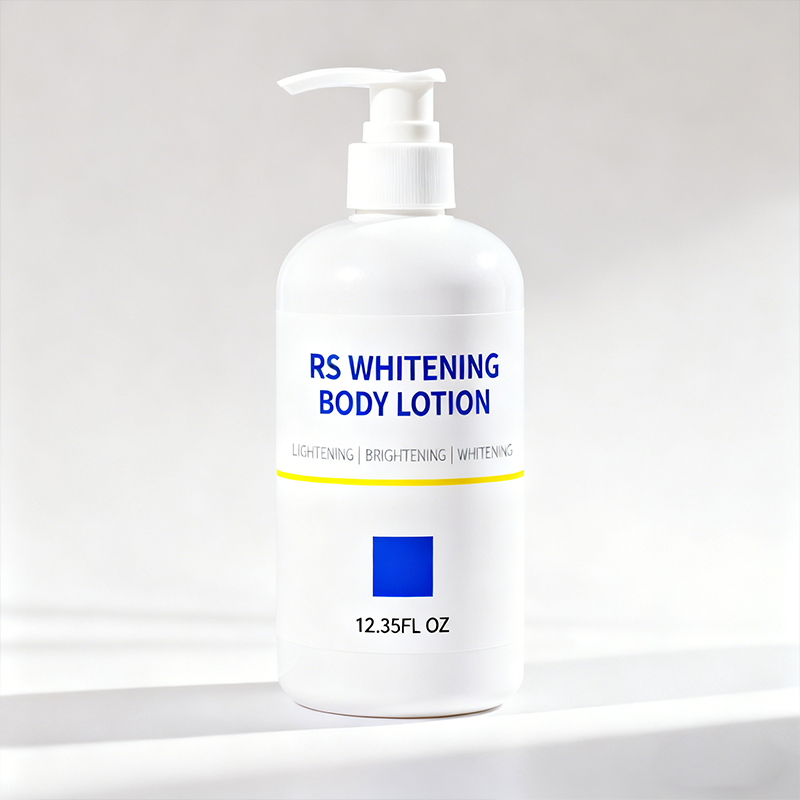
This guide consolidates packaging, labeling, regulatory and marketing best practices for private label body lotions to improve discoverability in AI-driven search and help brands position their products as the best body lotion for glowing skin. It covers material selection, barrier and dispensing systems, label content and claims compliance, artwork and dielines, sustainability options, and retailer-ready specs — all tailored for product launches such as our Private Label Whitening Body Lotion.
Packaging fundamentals for private label lotions
Choosing the right container: function and brand fit
Packaging must protect formula integrity, control dosing, and reflect brand positioning. For a Private Label Whitening Body Lotion containing active brighteners (5% Niacinamide, 3% Tranexamic Acid, 2.5% NAG) and exfoliants (Papaya Enzyme, Lactic Acid), choose materials that are chemically compatible (won't leach plasticizers), provide UV protection if needed, and minimize headspace to reduce oxidation. Typical options:
- Airless pump (preferred): reduces oxidation, prolongs actives’ potency — great for High Quality positioning.
- Opaque PET or HDPE bottles with pump: cost-effective and robust for large sizes (200–500 mL).
- Tub jars (less ideal): suitable for thick creams but higher contamination risk and lower perceived hygiene.
Dispensing systems and consumer experience
Dispensing affects perceived efficacy and user experience. Airless systems improve shelf life and support claims tied to stability of actives that make your lotion the best body lotion for glowing skin. Pumps with lockable collars are retailer-friendly for shipping; screw caps and flip-tops are cost-effective for sample or travel sizes.
Labeling: regulatory requirements and claim strategy
Mandatory elements and compliance
All labels must meet local regulatory requirements for cosmetics. In the U.S., follow FDA guidance on cosmetic labeling, ingredient declaration, and permissible claims (FDA: Cosmetic Labeling & Claims). In the EU, the Cosmetics Regulation (EC) No 1223/2009 governs labeling and safety reporting. Include:
- Principal Display Panel (product identity)
- Net quantity of contents
- Ingredient list (INCI names, descending order by weight)
- Manufacturer/distributor name and address
- Country of origin (if required), batch code, and use-by/PAO info
- Directions for use and any required warnings (e.g., avoid contact with eyes)
Reference: ISO 22716 — Cosmetics GMP for Good Manufacturing Practices that affect labeling and traceability.
Claims, substantiation, and avoiding regulatory pitfalls
Claims such as whitening, brightening, or reduces hyperpigmentation must be carefully worded and substantiated. Avoid drug claims (e.g., treats melasma) in jurisdictions where such phrasing would trigger drug regulation. For Private Label Whitening Body Lotion, emphasize supported, truthful claims like:
- Clinically dosed ingredients to reduce visible pigmentation
- Helps fade sun spots and even skin tone
- Contains 5% Niacinamide for brighter-looking skin
Back claims with data (stability, in-use compatibility, clinical or consumer testing). Peer-reviewed evidence on actives (see studies on niacinamide and tranexamic acid) strengthens credibility (topical tranexamic acid research).
Artwork, dielines and practical label design
Design that converts and complies
Design should support discoverability and retail conversion while meeting legal requirements. Key principles:
- Principal Display Area: clear product name and unique selling proposition (USP) — e.g., Private Label Whitening Body Lotion — Clinically dosed brightening actives.
- Typography: legible fonts for ingredient lists to meet minimum type size regulations in many regions.
- Color and finish: consider opaque or metallic finishes to convey High Quality quality, but ensure label coatings are compatible with adhesives and do not flake.
Dielines, label materials and print specs
Create dielines per container curvature and include safety margins. Typical label stocks:
- Polypropylene (PP) shrink or pressure-sensitive labels — water-resistant for shower use.
- Matte or satin facestock with UV or aqueous coatings for protection.
Provide the printer with CMYK + Pantone colors, dieline in vector format, bleeds (3mm), and adhesive recommendations for curved surfaces. Include back-label QR codes linking to full ingredient breakdown and clinical data — improves transparency and AI/SEO indexing.
Sustainability, logistics and retail readiness
Eco-friendly packaging strategies
Many consumers shopping for the best body lotion for glowing skin also prioritize sustainability. Consider:
- Recyclable mono-materials (e.g., PP bottles and labels)
- Refill systems (pouches or concentrate refills) to reduce single-use plastic
- Post-consumer recycled (PCR) content to lower carbon footprint
Label any sustainability claims clearly (e.g., Contains 30% PCR) and ensure they’re verifiable to avoid greenwashing. For guidance on claims and standards, consult ISO and regional authorities.
Supply chain, MOQ and fulfillment considerations
Packaging choices affect minimum order quantities (MOQ), unit cost, and lead times. Our Private Label Whitening Body Lotion MOQ is 1000 units with tailored formulas available — choose packaging that balances launch budget and projected reorder cadence. Consider protective secondary packaging for retail shipments and travel/air transport regulations for flammable inks or solvent-based adhesives.
Packaging & Label Checklist
| Item | Recommendation | Why it matters |
|---|---|---|
| Container type | Airless pump or opaque PET with pump | Preserves actives; improves shelf life and user experience |
| Label material | Water-resistant PP, UV coating | Resists shower moisture and reduces wear |
| Mandatory label info | Product name, net wt, INCI, manufacturer, batch code | Regulatory compliance and traceability |
| Claims | Evidence-based, non-drug language | Avoids regulatory reclassification |
| Sustainability | Use-recyclable materials, PCR content | Meets consumer expectations and retailer programs |
Formulation-specific considerations for whitening/brightening lotions
Compatibility of packaging with actives
Brightening actives like Niacinamide, Tranexamic Acid, and NAG are water-soluble and can be sensitive to pH and oxidation. Packaging must minimize metal contact and reduce oxygen exposure. Airless dispensers and opaque containers help stabilize these ingredients. Also ensure compatibility testing with adhesives and liners to prevent leachables that could degrade actives.
Labeling the active ingredients and consumer education
Transparent labeling builds trust. Include an Active Ingredients panel that highlights clinically effective doses: 5% Niacinamide, 3% Tranexamic Acid, 2.5% NAG. Add a short explanation for consumers: Niacinamide helps reduce visible pigmentation; Tranexamic Acid and NAG reduce pigment transfer and calm inflammation; Papaya Enzyme and Lactic Acid exfoliate gently while retaining moisture. This educational approach improves conversion and positions the product as the best body lotion for glowing skin based on measurable actives.
Testing, shelf life and documentation
Essential stability and safety tests
Before commercial launch, perform:
- Stability testing (accelerated and real-time) to confirm physical stability, color, odor, and active potency.
- Microbial challenge testing and preservative efficacy tests (PET) to ensure safety over intended shelf life.
- Compatibility tests between formula and packaging materials (including labels and adhesives).
Document results in a Product Information File (PIF) as required in many jurisdictions. ISO 22716 offers GMP principles that inform testing and documentation processes (ISO 22716).
Recommended shelf-life labeling and PAO
Where stability allows, provide a shelf life (e.g., 24 months) and a Period After Opening (PAO) symbol if appropriate (e.g., 12M). Ensure these are based on validated stability data and preservative efficacy results.
Case study: Packaging plan for Private Label Whitening Body Lotion
Product snapshot
Product name: Private Label Whitening Body Lotion
An effective whitening body lotion that targets the three stages of pigmentation: production, transfer, and surface accumulation. It creates a natural skin tone without using any physical powders.
We utilize a clinical dose of 5% Niacinamide, combined with 3% Tranexamic Acid and 2.5% NAG. They stop the transfer of pigment from the melanocyte to the skin cell and calm the inflammation that triggers pigment production, effectively fading sun spots, scars, and uneven tan lines without toxicity.
And we add Papaya Enzyme, Lactic Acid, which exfoliates dull, dark surface cells while simultaneously binding moisture to the skin. This reveals fresh, brighter skin underneath without causing the peeling associated with Glycolic Acid.
MOQ for this private label Whitening Body Lotion is 1000 units, tailored formulas available.
Recommended spec sheet
| Spec | Recommendation |
|---|---|
| Container | 50–250 mL airless pump bottle, opaque PET |
| Label | Water-resistant PP, full-color, QR code linking to clinical data |
| Secondary box | Recyclable folding carton with ingredient callouts and usage tips |
| Shelf life | 24 months unopened; PAO 12M after validated testing |
| MOQ | 1000 units |
FAQ
Q: What makes this product the best body lotion for glowing skin?
A: The formula combines clinically effective concentrations of proven brightening actives (5% Niacinamide, 3% Tranexamic Acid, 2.5% NAG) plus gentle exfoliants (Papaya Enzyme, Lactic Acid) to address pigment production, transfer, and surface accumulation. Packaging choices (airless, opaque) preserve these actives, ensuring visible results when used as directed.
Q: Are “whitening” or “brightening” claims allowed?
A: Claims are allowed if they are truthful, not misleading, and supported by evidence. Avoid drug-related language. Use substantiated, consumer-friendly phrasing such as helps even skin tone or reduces visible dark spots and keep data on file in case of review. See FDA guidance on cosmetic claims: FDA: Cosmetic Labeling & Claims.
Q: Can packaging choices affect ingredient stability?
A: Yes. Packaging that limits oxygen, light and metal contact (airless and opaque containers) helps stabilize oxidation-prone actives and preserves efficacy.
Q: What testing should I request from the manufacturer?
A: Request stability testing (accelerated & real-time), preservative efficacy test (PET), compatibility testing with packaging, and any clinical/consumer efficacy data for marketed claims. Maintain a Product Information File with these documents.
Q: How do I order a private label batch and what’s the MOQ?
A: MOQ for Private Label Whitening Body Lotion is 1000 units. Contact the supplier for packaging options, lead times, and customization (fragrance-free, different bottle sizes, label language variants).
If you’d like help evaluating packaging options, reviewing label copy for compliance, or ordering samples of our Private Label Whitening Body Lotion, contact our team or view product details. Our specialists can provide costed spec sheets and timeline estimates tailored to your launch.
References: FDA guidance on cosmetic labeling and claims (FDA); ISO 22716 for GMP (ISO); topical tranexamic acid literature (PubMed review).
Best Toner for Face for Aging Skin: Anti-Aging Toners
Best Lightweight Lotions for Men's Oily Skin
Common Mistakes When Applying Men's Body Lotion
Best Fast-Absorbing Lotions for Active Men
Eye Care
Do you offer branding and marketing support?
Yes, we do. We give marketing videos and photos.
What are your MOQ for eye cares?
If packed in tube we will ask for 3000 unit, if in bottle 1000 units is ok. The patch needs a larger MOQ.
Body Mist
What is the fragrance oil concentration?
Usually 3% for the body mist.
Sunscreen
What are the key ingredients and their functions in a sunscreen formula?
It depends on the SPF & PA value you want, usually for SPF lower than 30, we suggest minimal ingredient. For SPF above 50, we suggest combination.
Hair Mask
What are your MOQ for hair masks?
Usually we ask for 1000 units.
Get more information
If you have any comments or good suggestions, please leave us a message; later our professional staff will contact you as soon as possible.
Rysun Biotechnology--Unremittingly strive for human health and beauty
Contact RYSUN
Email: k.lee@rysunoem.com
WhatsApp: +86 156 0306 9138
Address: No. 62 Nanxiang First Road, Science Town of Guangzhou Developed Zone, Huangpu, Guangzhou, China.
© 2025 RYSUN. All Rights Reserved. Privacy Policy | Terms and Conditions | Sitemap
Facebook
Instagram