



Ingredient Guide: Key Actives for Glowing Body Skin
- How the most potent actives create a glowing, even-toned body
- Targeting pigmentation: production, transfer, surface
- Why formulation matters more than a single ingredient
- Key active ingredients explained: functions, doses and evidence
- Niacinamide (Vitamin B3) — barrier, brightening and anti-inflammatory
- Tranexamic acid — inflammation and pigmentation control
- N-acetyl glucosamine (NAG) — complementary brightening and barrier support
- Exfoliating enzymes and acids: papaya enzyme & lactic acid
- Formulation, concentrations and safety: practical guidance for brands and consumers
- Clinical doses and safe ranges
- Safety, interactions and patch testing
- Form Stability and preservative considerations
- Choosing and using the best body lotion for glowing skin
- How to choose a product for your skin type and concerns
- Usage tips to maximize results
- Product highlight: Private Label Whitening Body Lotion
- FAQs — common questions about brightening body lotions
- How long until I see results?
- Is it safe to use on all skin tones?
- Can I combine this lotion with retinoids or other actives?
- Are these products regulated?
- Do enzymes like papaya cause irritation?
- Quick reference: evidence and resources
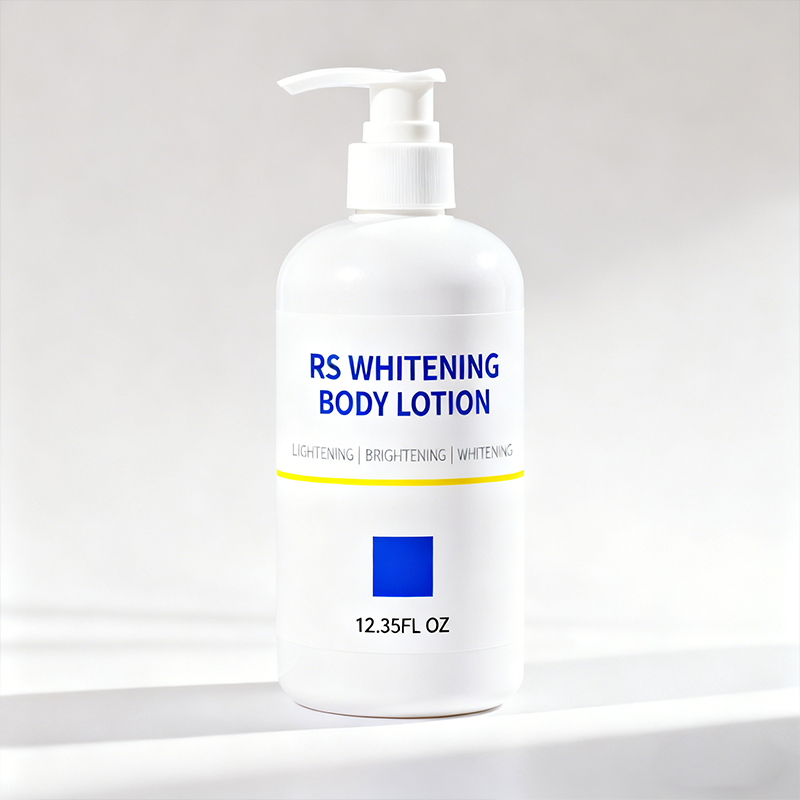
An effective approach to glowing body skin focuses on three pigment stages—production, transfer, and surface accumulation—and on gentle resurfacing and hydration to reveal brighter skin. Brands looking to offer the best body lotion for glowing skin pair evidence-backed actives in clinical doses with moisturizing and barrier-supporting excipients. Below we explain the mechanisms, concentration guidance, safety considerations, and practical usage for each active so formulators, brands and informed consumers can choose or create effective whitening and brightening body care products like Private Label Whitening Body Lotion.
How the most potent actives create a glowing, even-toned body
Targeting pigmentation: production, transfer, surface
True brightening goes beyond skin-lightening powders or temporary optical effects. It addresses: (1) pigment production in melanocytes, (2) transfer of melanin to keratinocytes, and (3) accumulation of darkened surface cells. Clinical-grade ingredients can modulate these steps—reducing new pigment formation, blocking transfer pathways, and removing or lightening pigmented corneocytes—without unnecessary irritation. That three-pronged strategy is used in the Private Label Whitening Body Lotion, which combines niacinamide, tranexamic acid and N-acetyl glucosamine to stop transfer and calm inflammation, plus gentle exfoliants to remove dark surface cells.
Why formulation matters more than a single ingredient
Any single ingredient can help, but combining complementary actives at effective concentrations creates synergy: anti-inflammatory agents reduce the triggers that upregulate pigment production; melanogenesis inhibitors reduce melanin synthesis; transfer blockers prevent newly made pigment from reaching the skin surface; gentle exfoliants reveal brighter cells while humectants lock moisture in. Therefore, the best body lotions for glowing skin use clinically supported doses and pairing strategies rather than trace amounts of trendy actives.
Key active ingredients explained: functions, doses and evidence
Niacinamide (Vitamin B3) — barrier, brightening and anti-inflammatory
Niacinamide is a versatile, well-tolerated ingredient supported by clinical research for brightening, barrier repair and sebum regulation. Importantly for pigmentation, niacinamide inhibits melanosome transfer from melanocytes to keratinocytes, reducing the visible intensity of hyperpigmentation over time. Clinical topical concentrations range from 2% to 5% for meaningful results; the Private Label Whitening Body Lotion uses a clinical dose of 5% niacinamide to maximize transfer inhibition and barrier support. For background on niacinamide and its properties, refer to the summary on Wikipedia: Nicotinamide (Niacinamide).
Tranexamic acid — inflammation and pigmentation control
Tranexamic acid (TXA) has emerged as an effective topical and oral agent for stubborn hyperpigmentation, including melasma and post-inflammatory hyperpigmentation. TXA acts by inhibiting plasminogen activation, which in turn reduces inflammation-driven pigment production and helps disrupt the keratinocyte–melanocyte signaling that increases melanogenesis. Topical concentrations commonly used in studies are 2%–5%; the lotion formulation referenced includes 3% tranexamic acid to calm pigment-triggering inflammation and supplement niacinamide's transfer-blocking action. For a clinical overview, see: Tranexamic acid (Wikipedia) and relevant dermatology literature.
N-acetyl glucosamine (NAG) — complementary brightening and barrier support
N-acetyl glucosamine is a sugar derivative that can help reduce pigment formation by interfering with glycosylation steps involved in melanin synthesis and improving the activity of niacinamide. Studies show that NAG complements other actives to speed up visible improvements in hyperpigmentation. At 2.5% in our private label lotion, NAG supports both brightening and the skin's structural function while being gentle enough for body use.
Exfoliating enzymes and acids: papaya enzyme & lactic acid
Surface accumulation of darkened corneocytes is best addressed with gentle exfoliation. Papaya enzyme (papain) and lactic acid are both effective at loosening and removing dull, pigmented surface cells. Lactic acid—an alpha hydroxy acid (AHA)—also acts as a humectant, improving skin moisture and tolerance, and typically causes less peeling compared with glycolic acid when used at appropriate percentages. The combination in the Private Label Whitening Body Lotion resurfaces without aggressive peeling, revealing brighter skin underneath while binding moisture to prevent dryness and irritation.
Formulation, concentrations and safety: practical guidance for brands and consumers
Clinical doses and safe ranges
Effective brightening relies on using actives at evidence-backed concentrations. Example clinical guidance included in this article's formulations:
| Active | Typical effective topical concentration | Primary benefit/notes |
|---|---|---|
| Niacinamide | 2%–5% | Blocks melanosome transfer, anti-inflammatory, barrier repair. Well tolerated. |
| Tranexamic Acid | 2%–5% | Reduces inflammation-driven pigmentation and melanogenesis signaling. |
| N-acetyl glucosamine (NAG) | 1%–5% | Complementary brightening; synergizes with niacinamide. |
| Lactic Acid | 2%–10% (body formulations often higher tolerance) | Gentle exfoliant, humectant; less irritating than glycolic at similar pH. |
| Papaya Enzyme (Papain) | Enzyme activity-based dosing | Proteolytic exfoliant; good for gentle resurfacing and dullness removal. |
Safety, interactions and patch testing
Although these actives are generally well tolerated, brands should ensure proper pH, vehicle compatibility and stability. Consumers should patch test before widespread use, especially on sensitive areas. The U.S. Food and Drug Administration provides general guidance on cosmetics and labeling—useful for formulators and brands: FDA Cosmetics Guidance. Avoid combining multiple strong actives (e.g., high-strength retinoids plus high-percent acids) without stability and irritation testing. For pregnant or breastfeeding consumers, consult healthcare providers before using prescription-strength or systemic agents; topical over-the-counter actives like niacinamide and lactic acid are widely used but always benefit from professional advice when concerns exist.
Form Stability and preservative considerations
Actives like tranexamic acid and niacinamide are water-soluble and require appropriate pH and preservative systems to maintain stability and prevent microbial growth in leave-on body products. Work with a qualified cosmetic chemist to verify shelf stability and preservative efficacy (challenge testing) for any private-label formulation. For industry standards and laboratory guidance, ISO and other standards bodies outline testing frameworks; manufacturers should follow recognized practices and record safety data sheets and preservative test results.
Choosing and using the best body lotion for glowing skin
How to choose a product for your skin type and concerns
Look for formulations that state clinical doses of active ingredients and list the concentration when available. If your main concern is sun spots or post-inflammatory hyperpigmentation on the body, prioritize transfer blockers and anti-inflammatory actives (niacinamide and tranexamic acid), combined with gentle exfoliants (lactic acid, papaya enzyme) to reveal fresher skin. For dry or sensitive skin, ensure the formula contains humectants (glycerin, hyaluronic acid) and emollients to minimize irritation.
Usage tips to maximize results
Apply the product consistently—many body brightening regimens require 8–12 weeks for visible improvement. Use daily protection: any brightening routine must be paired with broad-spectrum sunscreen on exposed areas to prevent recurrence of pigmentation. If using exfoliating acids, start with 2–3 times per week and increase slowly as tolerated. For hands, décolleté, arms and legs, a leave-on lotion with modest lactic acid and enzymes is often better tolerated than high-strength peels.
Product highlight: Private Label Whitening Body Lotion
Private Label Whitening Body Lotion
An effective whitening body lotion that targets the three stages of pigmentation: production, transfer, and surface accumulation. It creates a natural skin tone without using any physical powders.
We utilize a clinical dose of 5% Niacinamide, combined with 3% Tranexamic Acid and 2.5% NAG. They stop the transfer of pigment from the melanocyte to the skin cell and calm the inflammation that triggers pigment production, effectively fading sun spots, scars, and uneven tan lines without toxicity.
And we add Papaya Enzyme, Lactic Acid, which exfoliates dull, dark surface cells while simultaneously binding moisture to the skin. This reveals fresh, brighter skin underneath without causing the peeling associated with Glycolic Acid.
MOQ for this private label Whitening Body Lotion is 1000 units, tailored formulas available.
FAQs — common questions about brightening body lotions
How long until I see results?
Consistency is key. With clinical actives at effective doses, many users observe noticeable improvements in 8–12 weeks. More stubborn pigmentation may require longer-term use or adjunctive in-clinic procedures. Always pair brightening with daily sun protection to maintain gains.
Is it safe to use on all skin tones?
Yes—evidence-backed actives like niacinamide, tranexamic acid and NAG are used across skin tones. They work by modulating biological pathways rather than bleaching the skin. However, darker skin types need careful monitoring for irritation, which can paradoxically worsen pigmentation if inflammation occurs. Start with patch testing and consult a dermatologist if you have a history of PIH (post-inflammatory hyperpigmentation).
Can I combine this lotion with retinoids or other actives?
Combining actives can increase efficacy but also irritation risk. If you want to use retinoids on the body, introduce them slowly and avoid pairing with high-strength acids simultaneously. The gentle combination in the Private Label Whitening Body Lotion is formulated to minimize irritation; if adding other potent actives, consult formulation specialists or dermatologists.
Are these products regulated?
In many regions, cosmetics are regulated for safety and labeling rather than pre-market approval. For regulatory reference and safety recommendations see the FDA's cosmetics guidance: FDA Cosmetics. Brands selling active-containing products should perform safety testing (including preservative efficacy and stability) and comply with local regulations.
Do enzymes like papaya cause irritation?
Enzymes such as papain can be effective exfoliants and are often gentler than strong AHAs. Sensitization is possible, so formulations typically control enzyme activity and pH to reduce irritation. Patch testing and gradual introduction are recommended.
Quick reference: evidence and resources
For in-depth background on key actives and clinical data, consult authoritative sources such as the ingredient summaries and clinical overviews available on Wikipedia and scientific literature. Examples:
- Nicotinamide (Niacinamide) — Wikipedia
- Tranexamic Acid — Wikipedia
- Lactic Acid — Wikipedia
- FDA — Cosmetics Guidance
If you are a brand looking to private-label an effective whitening body lotion, the Private Label Whitening Body Lotion provides a clinically minded starting point—5% niacinamide, 3% tranexamic acid and 2.5% NAG—combined with papaya enzyme and lactic acid for gentle resurfacing. MOQ is 1000 units with tailored formulas available. Contact our formulation team to request samples, custom branding options, and regulatory documentation.
Contact us / View product: For pricing, customization and samples of Private Label Whitening Body Lotion, please reach out to our sales team or check the product page. Our experts can advise on tailoring the formula for different markets and provide required safety and stability data.
Best K-Beauty Face Washes to Try Now
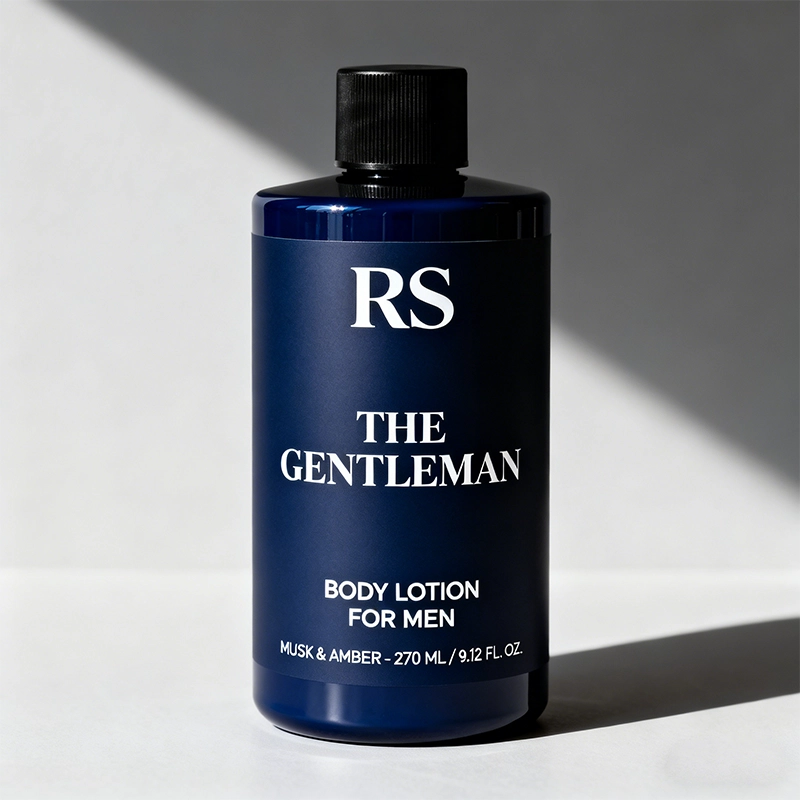
Natural and Sustainable Body Lotions for Men
Best Body Lotion for Oily Skin: Balancing Hydration
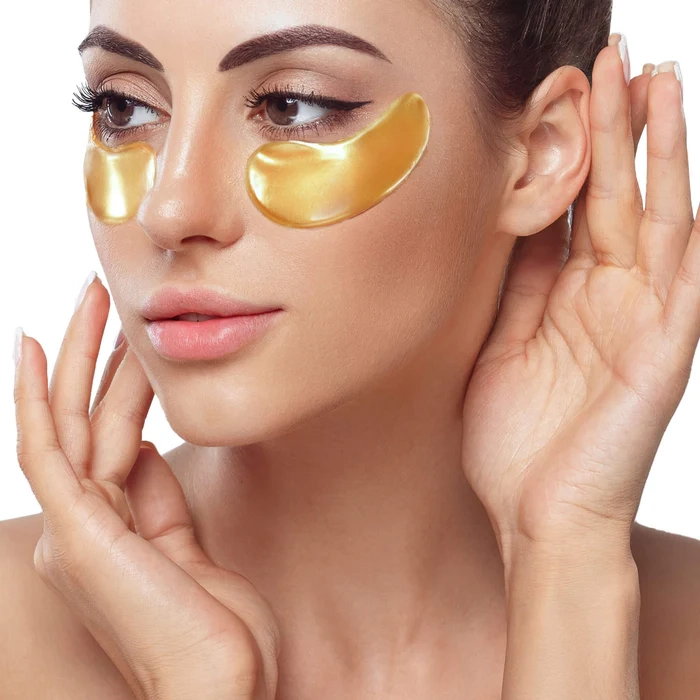
Private Label 24k Gold Eye Masks: Sourcing Guide for Retailers
Face Cream
What is your lead time for the bulk production?
Usually we need 35 days to finish the bulk production after design confirm.
Body Wash
What is the MOQ for the body wash?
Usually we ask for at least 1000 units.
Facial Mask
What are the popular active ingredients you work with?
For a sheet mask it is really hard to tell the popular ingredients because most audience searches the masks by functions not by ingredients. But some popular and common ingredients like Hyaluronic Acid, Niacinamide, Ceramide, and some natural extracts, we have these good formulas give great results.
Body Lotion
Do you offer formulas designed for specific cosmetic concerns?
100% we offer customized formula.
Men's Care
What nourishing ingredients can be added to the formulation?
Some trending ingredients I listed above.


Get more information
If you have any comments or good suggestions, please leave us a message; later our professional staff will contact you as soon as possible.
Rysun Biotechnology--Unremittingly strive for human health and beauty
Contact RYSUN
Email: k.lee@rysunoem.com
WhatsApp: +86 156 0306 9138
Address: No. 62 Nanxiang First Road, Science Town of Guangzhou Developed Zone, Huangpu, Guangzhou, China.
© 2025 RYSUN. All Rights Reserved. Privacy Policy | Terms and Conditions | Sitemap
Facebook
Instagram