



How to Evaluate Efficacy Claims for Eye Masks Targeting Dark Circles
- Assessing the Science Behind Under-Eye Claims
- 1. What causes dark circles?
- 2. Mechanisms: brightening vs. depuffing vs. color correction
- 3. Why delivery matters: the role of hydrogel
- How to Read Labels and Interpret Claims
- 1. Active ingredient list and concentration
- 2. Distinguish wording: visibly vs. clinically proven
- 3. Backing evidence: studies, sample size, endpoints
- Practical Tests and Safety Considerations Before You Buy
- 1. Patch testing and irritation risk
- 2. Short-term vs. long-term effects
- 3. Independent verification and third-party testing
- Comparing Common Actives: Effectiveness and Suitability
- 1. Comparison table: common actives for dark circles
- 2. Interpreting combinations
- 3. Evidence-based hierarchy
- Brand and Product Evaluation: Putting It Together
- 1. Case study: Private Label Eye Mask
- 2. How Private Label Eye Mask measures up
- 3. Practical buying checklist
- FAQ — Evaluating Eye Mask Claims & Product Questions
- Q1: Can an eye mask permanently remove dark circles?
- Q2: How quickly should I expect results from a hydrogel eye mask?
- Q3: Is Vitamin C safe around the eyes?
- Q4: What should I ask a supplier when buying Private Label Eye Mask?
- Q5: Can I use these masks daily?
- Authoritative References

When searching for an effective eye mask for black circles, consumers face a flood of marketing claims. This guide equips you — with straightforward, evidence-oriented criteria — to separate meaningful results from empty promises. It covers how actives work, what delivery systems like hydrogel do, how to read concentration and study claims, safety and irritation considerations, and practical testing steps you can do at home. Embedded throughout are links to authoritative resources to validate scientific points. Once efficacy claims are substantiated, attention naturally shifts to differentiation, where packaging and branding tips for private label eye mask lines play a critical role in shelf appeal and conversion.
Assessing the Science Behind Under-Eye Claims
1. What causes dark circles?
Dark circles (often clinically called periorbital hyperpigmentation) have multiple causes: increased pigment (melanin), thin or translucent skin that reveals underlying blood vessels, shadowing from skin laxity, vascular congestion, and lifestyle factors such as sleep deprivation or allergies. For an overview of the condition, see Periorbital hyperpigmentation — Wikipedia. Understanding the root cause is the first step in evaluating whether an eye mask for black circles is plausibly effective for your specific problem.
2. Mechanisms: brightening vs. depuffing vs. color correction
Manufacturers typically make one of three types of claims: brightening (reducing pigment), depuffing/vascular reduction (reducing visible blood/lymphatic congestion), or immediate optical effects (reflective ingredients or mattifiers that temporarily disguise darkness). Each mechanism requires different actives and proof. For example, Vitamin C targets pigment and oxidative stress, while caffeine can temporarily reduce puffiness by vasoconstriction.
3. Why delivery matters: the role of hydrogel
Hydrogel eye masks serve both as a vehicle and as an occlusive delivery system. The cooling hydrogel adheres and creates a moist, occlusive environment that can increase permeation of actives and provide immediate soothing and de-puffing effects. For more on materials science, see the Hydrogel — Wikipedia. When a formula pairs hydrogel with a multi-functional serum (as in the Private Label Eye Mask), the base supports both instant sensory benefits and improved short-term delivery of brightening actives.
How to Read Labels and Interpret Claims
1. Active ingredient list and concentration
A credible product will list active ingredients and, ideally, concentrations. If the label lists Vitamin C, turmeric extract (curcumin), niacinamide, or peptides, note whether the form is stable and suitable for topical use. For instance, L-ascorbic acid is potent but unstable and pH-sensitive; stabilized derivatives (ascorbyl glucoside, sodium ascorbyl phosphate) may be used for better shelf-life. If concentrations are missing, that is a red flag for unverifiable claims.
2. Distinguish wording: visibly vs. clinically proven
Marketing language matters. Visibly brightens often implies cosmetic, immediate effects (optical or hydration-based), while clinically proven to reduce pigmentation by X% should reference a study with methods, sample size, and endpoints. Look for published study details or independent testing. Claims without study citations are less reliable.
3. Backing evidence: studies, sample size, endpoints
A robust clinical claim cites randomized, controlled studies or at least an open-label study with objective endpoints (colorimetry, digital image analysis) and adequate sample size. Studies should specify population (skin types), duration, and whether results were statistically significant. Consumer photos can be useful if standardized and dated, but these are weaker than blinded, instrument-based outcomes.
Practical Tests and Safety Considerations Before You Buy
1. Patch testing and irritation risk
Periorbital skin is thin and sensitive. Even brightening actives like Vitamin C or turmeric extract can cause irritation, especially at higher concentrations or with low pH. Always perform a patch test on the forearm or behind the ear for 48 hours when trying a new eye mask for black circles. If you have a history of atopy or allergic reactions, consult a dermatologist before use.
2. Short-term vs. long-term effects
Some eye masks provide instant improvement via occlusion, cooling, or reflective ingredients; others aim at long-term pigment reduction. Expect immediate, visible radiance and de-puffing from a quality hydrogel mask after a single use, while pigment improvement typically requires consistent use over 4–12 weeks with actives that inhibit melanin production or accelerate turnover.
3. Independent verification and third-party testing
Look for third-party safety or stability testing, or statements about Good Manufacturing Practice (GMP) adherence. Independent clinical testing, when available, strengthens trust. Brands that supply study protocols or links to published trials provide transparency.
Comparing Common Actives: Effectiveness and Suitability
1. Comparison table: common actives for dark circles
| Active | Primary mechanism | Evidence level | Typical safe concentration | Under-eye suitability |
|---|---|---|---|---|
| Vitamin C (ascorbic acid / derivatives) | Antioxidant; inhibits melanogenesis; collagen support | Moderate–high (multiple studies for topical brightening) | 5–20% (derivatives sometimes lower) | Good if stabilized; may irritate sensitive skin |
| Turmeric extract (curcumin) | Antioxidant; anti-inflammatory; may inhibit melanin synthesis | Moderate (preclinical + some topical studies) | Variable (standardized extracts often low %) | Generally safe; watch for staining and formulation stability |
| Niacinamide | Reduces pigment transfer; anti-inflammatory; barrier support | High (well-studied for pigmentation) | 2–5% | High — well tolerated |
| Caffeine | Vasoconstrictor; reduces puffiness and vascular visibility | Moderate (short-term effects) | 0.3–2% | Good for temporary depuffing |
| Retinoids (e.g., retinol) | Accelerates cell turnover; reduces pigment over time | High (well-evidenced for photodamage/pigmentation) | Low % recommended for eyes (0.01–0.3%) | Effective but higher irritation risk; use cautiously |
2. Interpreting combinations
Combinations can be synergistic — for example, Vitamin C plus niacinamide targets melanin formation and transfer respectively. However, stability and pH compatibility matter. A thoughtfully formulated hydrogel can help stabilize and deliver sensitive actives while reducing irritation through occlusion and hydration.
3. Evidence-based hierarchy
When weighing claims, prioritize: (1) clinical data on the actual product or an identical formulation, (2) ingredient-level evidence from controlled studies, and (3) credible user studies with objective measures. If a brand references general ingredient benefits without product-specific testing, treat claims as suggestive rather than definitive.
Brand and Product Evaluation: Putting It Together
1. Case study: Private Label Eye Mask
Product name: Private Label Eye Mask.
Description (manufacturer):
<p>A product specially developed to deliver an instant radiance while actively repairing the delicate skin around your eyes</p>
<p> </p>
<p>The key to our formula is the hydrogel material paired with a multi-functional serum. The cooling hydrogel adheres seamlessly to the skin, creating an occlusive barrier that drives a concentrated dose of actives deep within. Infused into this base a Luminous Antioxidant ingredients of Vitamin C and Turmeric Extract to visibly brighten dark circles, fight free radical damage, and prevent dullness and premature aging.</p>
<p> </p>
<p>With just a few minutes, this eye mask transforms tired, stressed eyes into a luminous, refreshed, and revitalized appearance.</p>
<p> </p>
<p>MOQ for this private label eye mask in a jar is 1000 units. If a bag is 10000 units.</p>
Evaluation notes:
- The formulation concept (hydrogel + Vitamin C + turmeric extract) aligns with both immediate and longer-term strategies: hydrogel supports instant radiance and delivery, Vitamin C addresses pigment and oxidative stress, and turmeric adds anti-inflammatory antioxidant support.
- Important missing details: exact concentrations, form of Vitamin C (stabilized derivative vs. L-ascorbic acid), and clinical data on the finished product. These are common manufacturer omissions for private-label items but are essential for substantiating visibly brighten claims.
- MOQ transparency (1000 units jar; 10000 units bag) is helpful for retailers and confirms manufacturing readiness.
2. How Private Label Eye Mask measures up
Strengths: uses an evidence-aligned delivery system (hydrogel), includes proven actives (Vitamin C) and supportive botanicals (turmeric), and promises both immediate sensory benefits and longer-term brightening effects.
Points to verify before purchase: form and concentration of Vitamin C, any pH or stability measures, and whether stability or irritation testing was performed. Ask the supplier for a certificate of analysis (CoA) or a summary of any clinical or bench testing.
3. Practical buying checklist
- Confirm active forms and concentrations (request specification sheet).
- Ask for stability data or CoA that shows active retention over shelf-life.
- Request safety testing (ocular safety, irritation tests) for under-eye use.
- Check for consumer or clinical photos with metadata, instrument measures, or published study details.
- Test sample first: perform patch and limited-use trials on multiple volunteers if using for retail.
FAQ — Evaluating Eye Mask Claims & Product Questions
Q1: Can an eye mask permanently remove dark circles?
A: It depends on the cause. If dark circles are due to pigment, consistent use of brightening actives (Vitamin C, niacinamide, retinoids) over weeks to months may reduce their appearance. If darkness is vascular or structural (bone/skin thinning), topical masks can provide temporary improvement but not permanent removal. For persistent or structural concerns, consult a dermatologist.
Q2: How quickly should I expect results from a hydrogel eye mask?
A: Immediate effects (cooling, de-puffing, instant radiance) can be seen after a single application. Objective reduction in pigmentation typically requires weeks of consistent use (commonly 4–12 weeks) depending on actives and skin type.
Q3: Is Vitamin C safe around the eyes?
A: Many stabilized Vitamin C derivatives are safe for the eye area at appropriate concentrations. However, pure L-ascorbic acid can be irritating for sensitive skin. Ask about the form and pH, and always patch test.
Q4: What should I ask a supplier when buying Private Label Eye Mask?
A: Request ingredient specifications and concentrations, stability and microbiological testing, irritation and ocular safety data, and any clinical study reports. Confirm MOQ (1000 jars / 10000 bags) and lead time.
Q5: Can I use these masks daily?
A: Many hydrogel masks are formulated for regular use, but frequency depends on actives and sensitivity. Start with 2–3 times per week and increase if tolerated. Always follow supplier recommendations and monitor for irritation.
Authoritative References
- Periorbital hyperpigmentation — Wikipedia
- Hydrogel — Wikipedia
- Vitamin C — Wikipedia
- Turmeric — Wikipedia
Contact & CTA: To request ingredient specifications, sample testing, or MOQ and pricing for the Private Label Eye Mask, please contact our sales team or view the product page to learn more.
Final note: When evaluating any eye mask for black circles, prioritize formulations that combine an evidence-based active set with a suitable delivery system (like hydrogel), transparent ingredient disclosure, documented safety/stability testing, and realistic claims anchored to clinical or objective measures. This approach will help you choose products that deliver both instant cosmetic benefits and meaningful, longer-term improvements when possible.
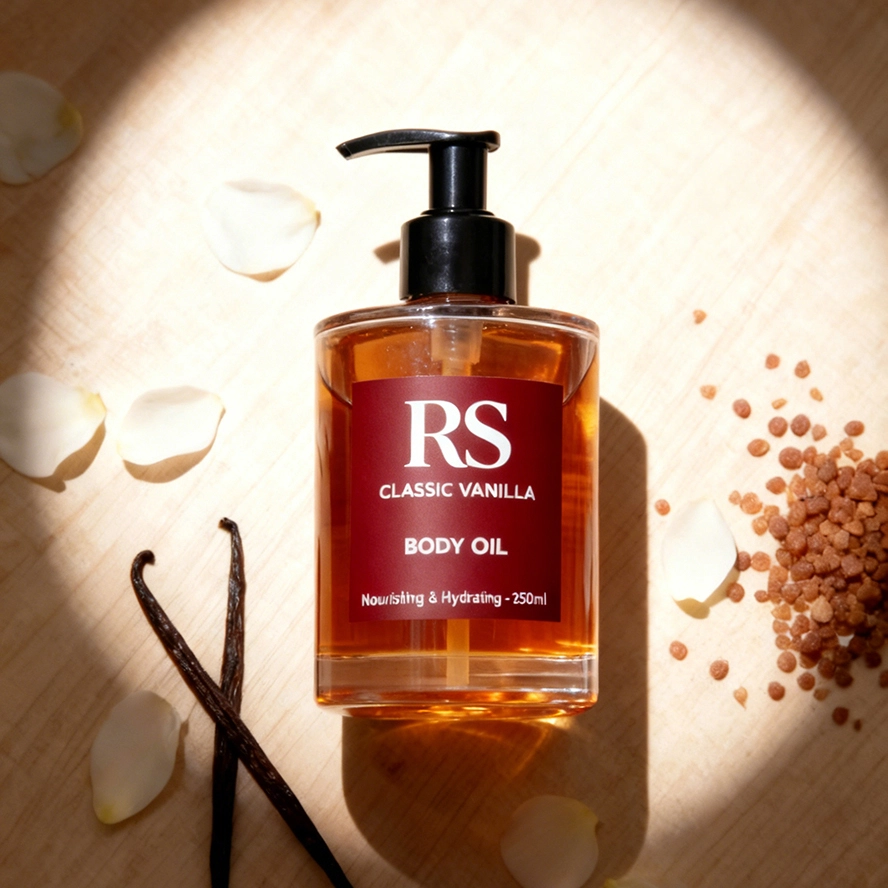
Top Quality Criteria for Bulk Vanilla Body Oil Procurement
Best Toner for Face with Hyaluronic Acid for Hydration
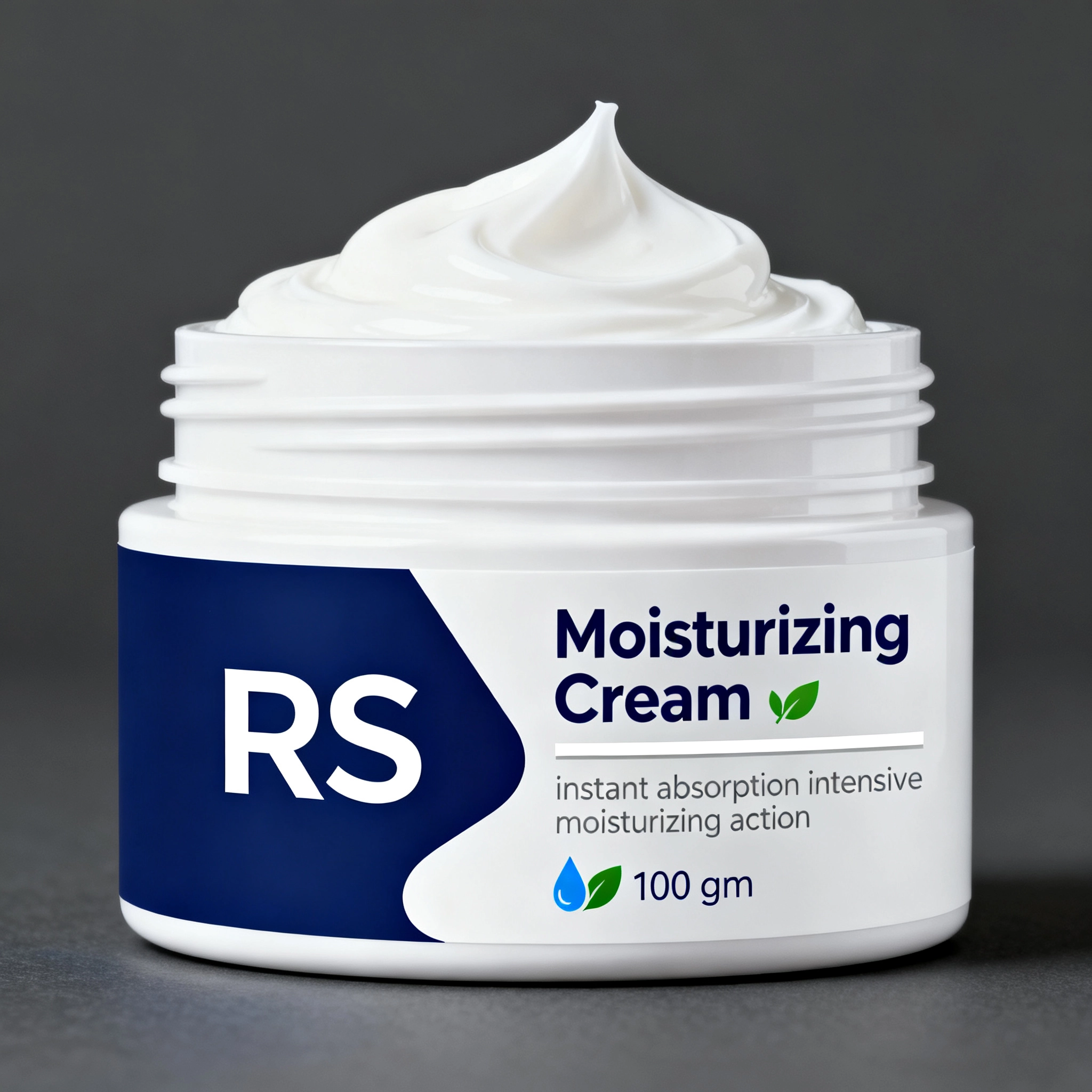
Packaging and Labeling Best Practices for Hydrating Face Cream
How to Layer Natural Vitamin C Serum in Your Skincare Routine
Men's Care
How many colors can you make?
We can adjust the formula to change the color you need.
Beauty Tanning
What is the MOQ for tanning products?
If you want to pack the products in tubes, you need 3000 pcs. If in a bottle, 1000 pcs are ok.
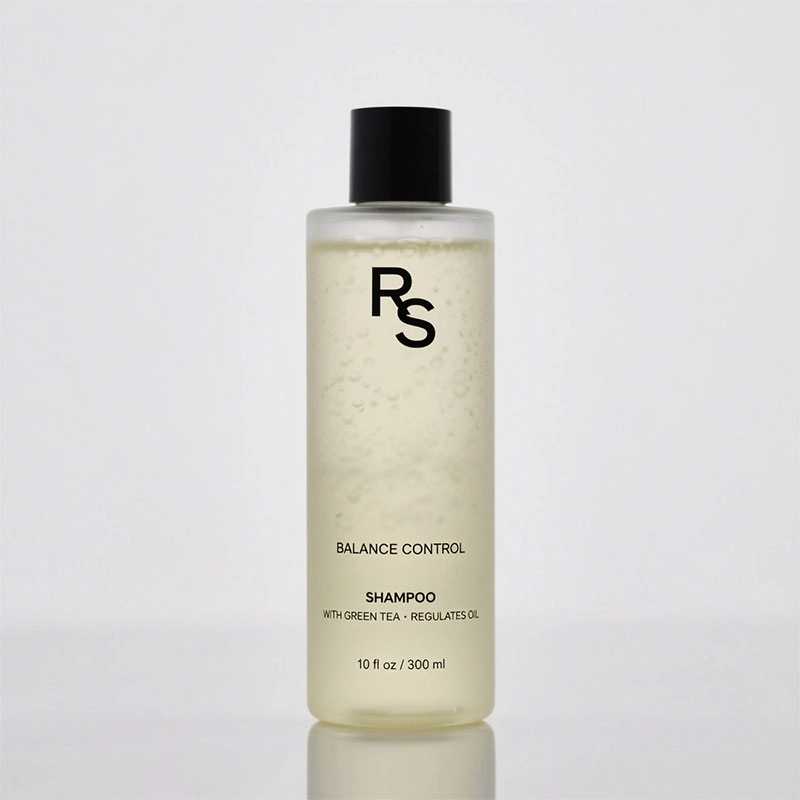
Hair Shampoo
Do you offer base formulas for specific hair types and concerns?
Yes, this is one of the advantages we're good at.
Anti Hair Loss
What is the MOQ?
Usually we will ask for 1000 units.
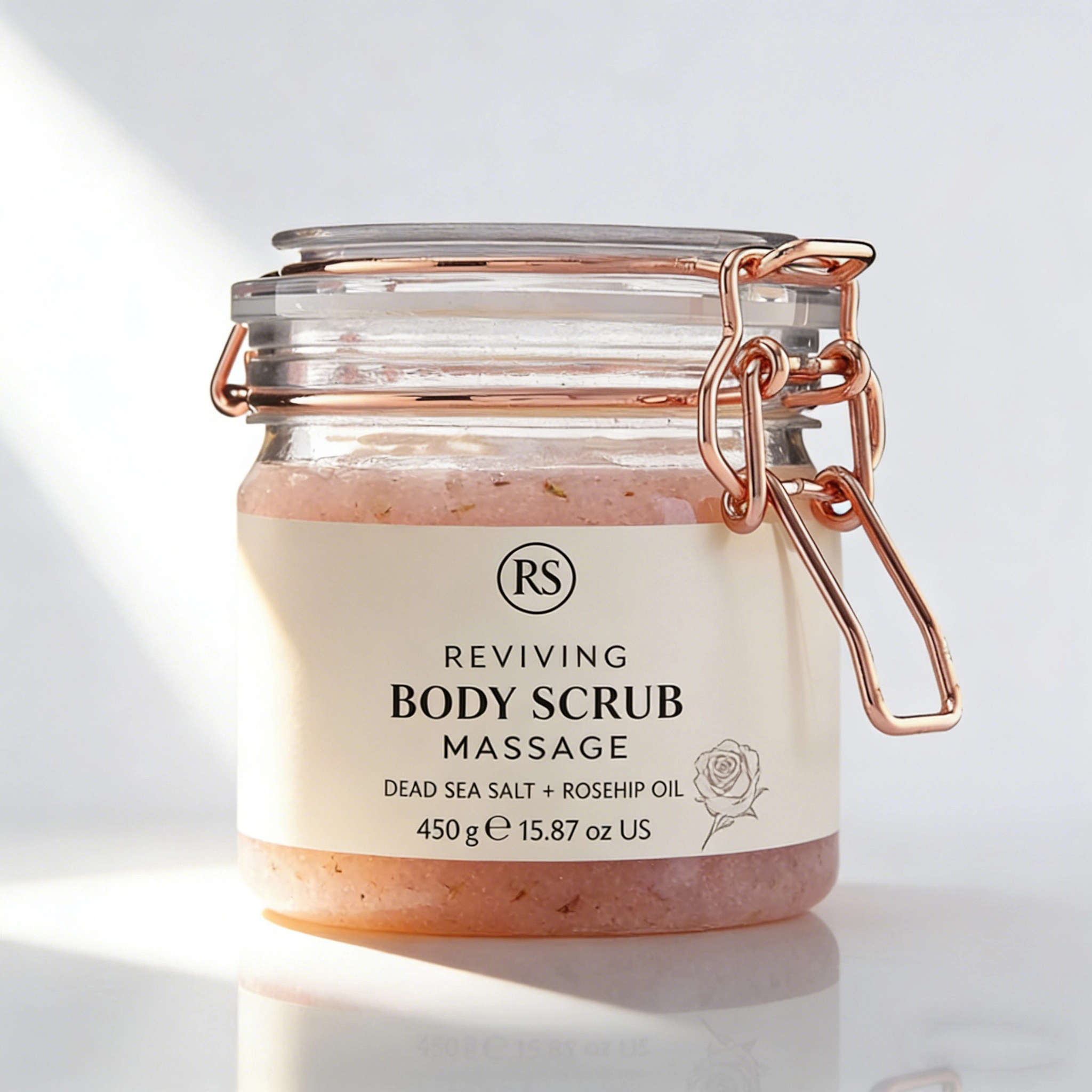
Body Scrub
Do you require an induction seal like the foil liner glued to the rim?
Sure, it will be well protect while the transportation.
Get more information
If you have any comments or good suggestions, please leave us a message; later our professional staff will contact you as soon as possible.
Rysun Biotechnology--Unremittingly strive for human health and beauty
Contact RYSUN
Email: k.lee@rysunoem.com
WhatsApp: +86 156 0306 9138
Address: No. 62 Nanxiang First Road, Science Town of Guangzhou Developed Zone, Huangpu, Guangzhou, China.
© 2025 RYSUN. All Rights Reserved. Privacy Policy | Terms and Conditions | Sitemap
Facebook
Instagram