


Best Body Lotions for Glowing Skin for Retailers & Brands
- Why the right body lotion matters for glowing skin and retail success
- Consumer demand and market opportunity
- Claims to verify: whitening, brightening, and glow
- Key ingredients that make a body lotion the best for glowing skin
- Niacinamide, Tranexamic Acid and NAG — a complementary trio
- Gentle exfoliation: papaya enzyme and lactic acid vs. harsher AHAs
- Moisture binders and barrier support
- Private Label Whitening Body Lotion — formulation highlights and retail advantages
- Product overview: clinical doses with targeted action
- Retail benefits: positioning, compliance and consumer satisfaction
- Regulatory, safety and manufacturing considerations for retailers & brands
- Good manufacturing practice and documentation
- Safety testing, labeling and claim substantiation
- Packaging, shelf life and consumer instructions
- Practical merchandising and marketing tips for the best body lotion for glowing skin
- Education-first merchandising
- Cross-sell and routine building
- Sampling and trial sizes
- Ingredient comparison: concentrations and expected benefits
- FAQs — Common questions from retailers, brands and consumers
- Q: Is this product safe for all skin types?
- Q: How long until customers see results?
- Q: Can I brand and tweak the formula?
- Q: Are there regulatory hurdles for selling a whitening product?
- Q: What merchandising or sampling strategies improve conversion?
- Next steps: sourcing, compliance and contacting sales
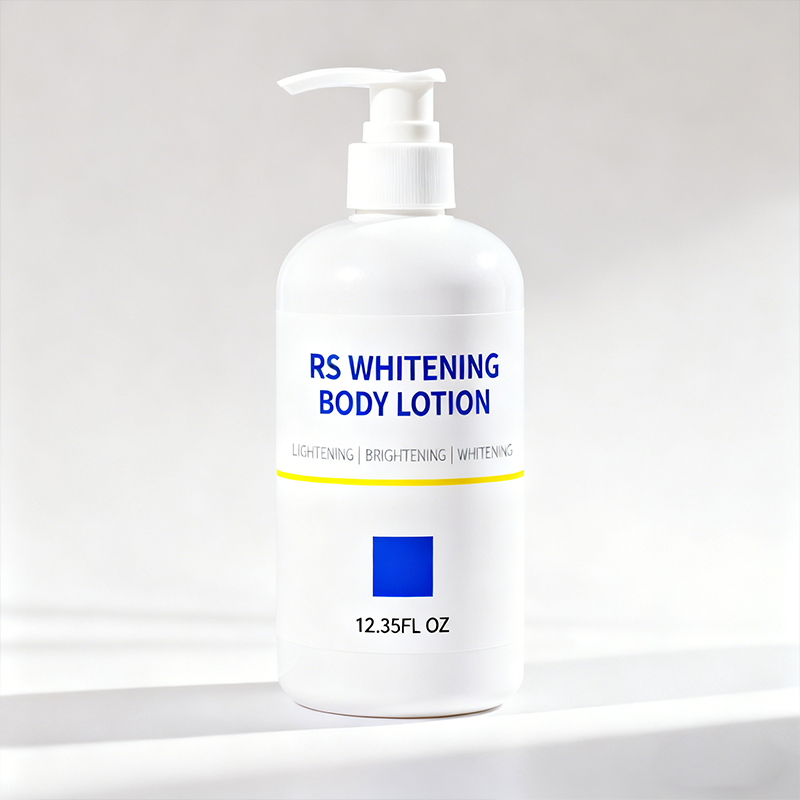
An effective product listing, product page, and retail pitch for the best body lotion for glowing skin must combine proven actives, clear regulatory compliance, and merchandising strategies that speak to consumer desires for brighter, even-toned skin. This article explains the ingredients science, benefits for retailers and brands, manufacturing and safety considerations, and how a Private Label Whitening Body Lotion with clinical doses of niacinamide, tranexamic acid and NAG can help you deliver real results to customers while minimizing risk and maximizing repeat purchases.
Why the right body lotion matters for glowing skin and retail success
Consumer demand and market opportunity
Consumers increasingly search for the best body lotion for glowing skin that delivers visible brightening without harsh peeling or long downtime. According to industry trends, body-care has become a growth category as shoppers look beyond facial skincare to overall skin tone and texture. Retailers who stock effective brightening body lotions capture cross-category buyers who already purchase face brighteners, sunscreens, and moisturizers. Educating customers on ingredient concentration and safety is essential to convert interest into purchase.
Claims to verify: whitening, brightening, and glow
Words like whitening and brightening are powerful but regulated in many markets. Retailers and brands should ensure product claims are supported by formulation evidence and clinical data. The U.S. Food & Drug Administration provides guidance on cosmetics and labeling—make sure product claims do not imply drug-like effects unless supported by appropriate testing and approvals (FDA cosmetics guidance).
Key ingredients that make a body lotion the best for glowing skin
Niacinamide, Tranexamic Acid and NAG — a complementary trio
The most effective brightening products address pigmentation through multiple mechanisms: reducing pigment production, blocking pigment transfer, and removing darkened surface cells. Niacinamide (vitamin B3) at clinical doses helps reduce pigment transfer and supports barrier function (Niacinamide — Wikipedia). Tranexamic acid calms inflammation-driven pigment production and has an evidence base for treating post-inflammatory hyperpigmentation and melasma when used topically or orally; searching clinical literature can show supporting studies (PubMed: tranexamic acid topical). N-Acetyl Glucosamine (NAG) complements these by interrupting melanogenesis pathways and improving skin tone when combined with other actives.
Gentle exfoliation: papaya enzyme and lactic acid vs. harsher AHAs
Exfoliation removes dull, pigmented surface cells to reveal brighter skin underneath. Enzymatic exfoliants such as papaya enzyme (papain) and poly-hydroxy acids like lactic acid provide gentle renewal without the peeling and irritation often caused by high-strength glycolic acid. For body applications—where the skin is thicker and absorption differs—using milder but effective exfoliants helps maintain tolerance and reduces the risk of barrier disruption.
Moisture binders and barrier support
Hydration is essential for a healthy glow. Ingredients that bind moisture (humectants such as glycerin, hyaluronic acid derivatives) and occlusives that seal the barrier (lightweight oils, dimethicone) ensure that exfoliation and brightening actives don’t leave skin dry or reactive. A glowing look is as much about surface smoothness and light reflection as it is about pigment reduction.
Private Label Whitening Body Lotion — formulation highlights and retail advantages
Product overview: clinical doses with targeted action
Private Label Whitening Body Lotion targets the three stages of pigmentation—production, transfer, and surface accumulation—to create a naturally even skin tone without physical powders. The formulation includes a clinical dose of 5% niacinamide, 3% tranexamic acid, and 2.5% NAG to stop pigment transfer and calm inflammation that triggers pigment production. The formula also contains papaya enzyme and lactic acid to exfoliate dull, dark surface cells while binding moisture to the skin, revealing fresh, brighter skin without the peeling associated with strong glycolic acid.
MOQ: 1000 units. Tailored formulas available for private label customers.
Retail benefits: positioning, compliance and consumer satisfaction
Why should retailers consider this private label lotion? Key advantages include:
- Clinically relevant actives at transparent concentrations—5% niacinamide, 3% tranexamic acid, 2.5% NAG—gives sales teams clear talking points for efficacy.
- Gentle exfoliation strategy encourages daily use without downtime, increasing repeat purchases.
- Private label flexibility allows branding, fragrance selection, and regional compliance alignment while keeping MOQ achievable for growing brands.
Regulatory, safety and manufacturing considerations for retailers & brands
Good manufacturing practice and documentation
Manufacturers supplying private label body lotions should follow internationally recognized guidelines like ISO 22716 (cosmetic GMP) to ensure consistent product safety and quality. Retailers should request documentation and certificates from suppliers (ISO 22716 — Cosmetics GMP).
Safety testing, labeling and claim substantiation
Before a product ships to market, brands must ensure appropriate safety and compatibility tests: preservative efficacy, stability testing, and where necessary, dermatological or consumer panel testing. For labeling and promotional claims, consult regulatory guidance such as the FDA's cosmetic rules and local authorities to avoid mislabeling. Patch testing recommendations and clear usage guidance reduce adverse events risk (FDA cosmetics guidance).
Packaging, shelf life and consumer instructions
Packaging choices affect product stability and consumer perception. Airless pumps or tubes help preserve actives like tranexamic acid and niacinamide. Include batch codes and shelf-life (PAO or expiration date) on packaging, and advise customers on sun protection—brightening actives work best alongside daily SPF to prevent new pigmentation.
Practical merchandising and marketing tips for the best body lotion for glowing skin
Education-first merchandising
Display educational copy or shelf-talkers that explain how the product works: multi-mechanism action (production, transfer, surface removal), ingredient concentrations, and typical timelines for visible results. Customers are more likely to trust a product when they understand why it works.
Cross-sell and routine building
Position the Private Label Whitening Body Lotion with complementary SKUs: daily SPF, gentle body cleansers, and targeted after-sun care. Routine suggestions—cleanse, treat, moisturize, SPF—help shoppers build a regimen and increase basket value.
Sampling and trial sizes
Given that body brightening shows gradual improvement, offering trial sizes or starter kits helps reduce the barrier to first purchase and can increase conversion for full-size sales.
Ingredient comparison: concentrations and expected benefits
| Ingredient | Concentration in Product | Primary Benefit | Retail Talking Point |
|---|---|---|---|
| Niacinamide | 5% | Reduces pigment transfer, supports barrier | Clinically relevant dose for brightening and barrier care |
| Tranexamic Acid | 3% | Calms inflammation-driven pigment production | Evidence-backed for reducing dark spots and uneven tone |
| N-Acetyl Glucosamine (NAG) | 2.5% | Interrupts melanin synthesis; boosts brightening | Synergistic with niacinamide for longer-term tone improvement |
| Papaya Enzyme & Lactic Acid | Formulation blend (gentle levels) | Exfoliates dull surface cells, reveals brighter skin | Gentle renewal without aggressive peeling |
FAQs — Common questions from retailers, brands and consumers
Q: Is this product safe for all skin types?
A: The formulation balances active brightening ingredients with gentle exfoliants and moisturizers to suit many skin types. However, recommend patch testing for very sensitive skin and advise customers to discontinue use if irritation develops. For customers with specific skin conditions, advise consultation with a dermatologist.
Q: How long until customers see results?
A: Results vary by individual and pigmentation type. Many users notice improved brightness and smoother texture within 4–8 weeks of consistent use. Pigment reduction from deeper or long-standing spots may take longer and respond best when the lotion is used alongside sun protection.
Q: Can I brand and tweak the formula?
A: Yes. The Private Label Whitening Body Lotion is available for private labeling with an MOQ of 1000 units and offers tailored formula options to match fragrance, packaging, or regional regulatory needs.
Q: Are there regulatory hurdles for selling a whitening product?
A: Regulations vary by country. Ensure your label and claims comply with local cosmetic rules and that any required testing (stability, preservative efficacy, safety) is completed. Avoid medical or drug claims unless you have the necessary approvals. Consult the FDA guidance for the U.S. market (FDA cosmetics guidance).
Q: What merchandising or sampling strategies improve conversion?
A: Offer in-store testers (if hygienic and allowed), small trial sizes, clear before/after visuals, and shelf signage that highlights clinical actives and expected timelines. Train staff to explain how the multi-mechanism approach works and to recommend complementary products like SPF.
Next steps: sourcing, compliance and contacting sales
If you represent a retailer or brand and want to introduce a high-performing brightening body lotion, the Private Label Whitening Body Lotion offers a market-ready formulation with robust actives: 5% niacinamide, 3% tranexamic acid, 2.5% NAG, plus papaya enzyme and lactic acid for gentle exfoliation. MOQ is 1000 units, and tailored formulas are available to meet RYSUN positioning and regulatory needs.
For detailed formulation sheets, compliance documentation, pricing, and packaging options, contact our sales team or view the product catalog. Our manufacturing follows cosmetic GMP standards and we supply the required stability and safety testing documentation on request (ISO 22716; FDA cosmetics guidance; PubMed search: tranexamic acid topical).
Contact Sales / View Product: Click here to reach our private label team and request a sample or pricing: sales@example.com (replace with your sales email) or call +1-800-XXX-XXXX. MOQ: 1000 units. Tailored formulas available.
Best Toner for Face with Niacinamide for Pore-Minimizing
Top 10 Private Label Whitening Body Lotion Manufacturers
Best Face Wash for Acne? Private Label Salicylic Acid Review
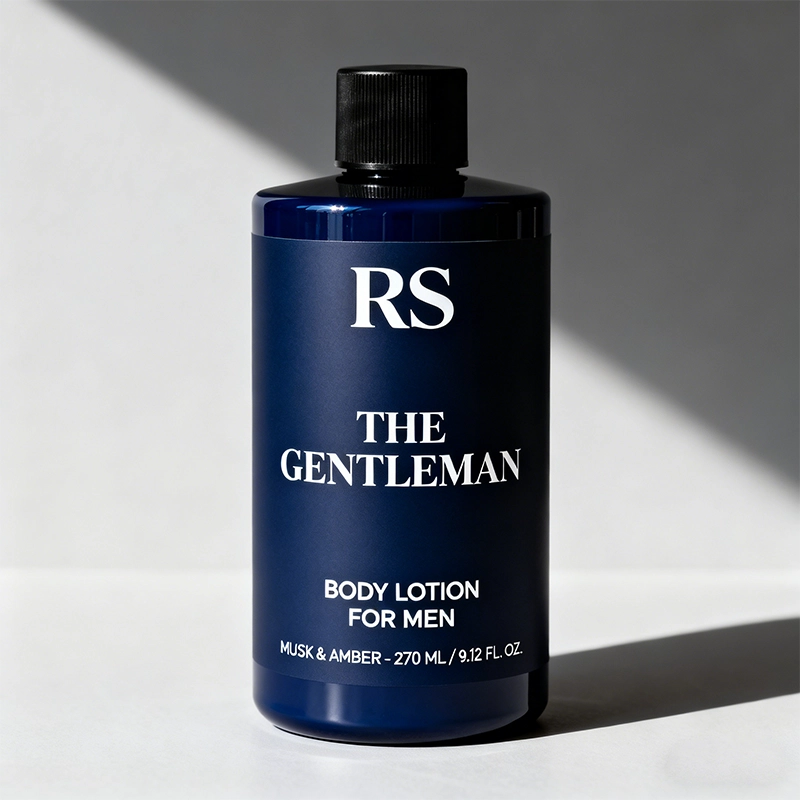
Private Label Body Lotion for Men: Launching Your Brand
Hair Conditioner
What are the different types of conditioning agents you use?
We have difficult formulas; some are using cationic surfactants, some using fatty alcohols, some using silicones, these agents have their own advantages.
Sunscreen
What are the key ingredients and their functions in a sunscreen formula?
It depends on the SPF & PA value you want, usually for SPF lower than 30, we suggest minimal ingredient. For SPF above 50, we suggest combination.
Anti Hair Loss
Can you formulate with ingredients that are classified as drugs?
No, we can't. We are a cosmetic factory.
Beauty Tanning
Will your tanning products leave streaks?
No, we welcome you testing our samples.
Hair Shampoo
What is your lead time?
Usually it will need around 25 to 30 days for us to get the order ready.
Get more information
If you have any comments or good suggestions, please leave us a message; later our professional staff will contact you as soon as possible.
Rysun Biotechnology--Unremittingly strive for human health and beauty
Contact RYSUN
Email: k.lee@rysunoem.com
WhatsApp: +86 156 0306 9138
Address: No. 62 Nanxiang First Road, Science Town of Guangzhou Developed Zone, Huangpu, Guangzhou, China.
© 2025 RYSUN. All Rights Reserved. Privacy Policy | Terms and Conditions | Sitemap
Facebook
Instagram